Potty Training Before 24 Months May Backfire, According to Research on What Actually Works
Paediatric research shows starting potty training before your child is physiologically ready can double the time it takes and increase accidents, constipation, and withholding. Here is what readiness actually looks like, and the approach that works.

Avery Hayes
Mom Of Two
April 19, 2026 · 11 min read
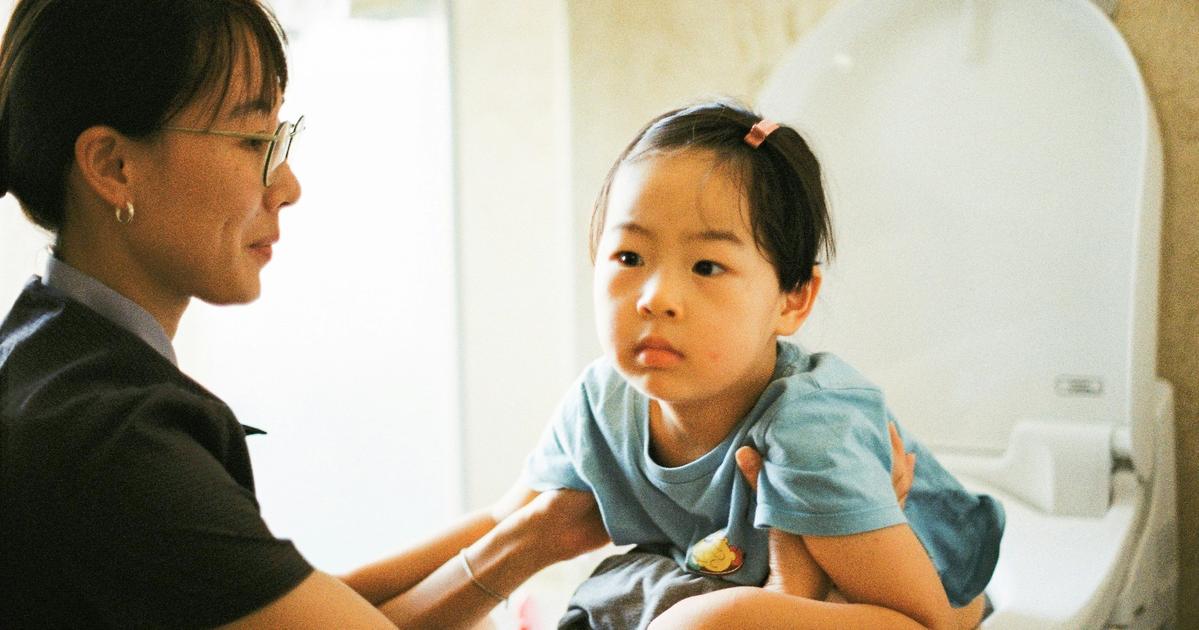
A friend of mine started potty training her 18 month old because her mother-in-law said "in my day we had all of you out of nappies by your second birthday." Three weeks in, the toddler was having eight accidents a day, had become terrified of the toilet, and had developed constipation from withholding. My friend was in tears. The toddler was in tears. No one was winning.
They stopped. Waited six months. Tried again at 26 months. Fully trained in a week. No tears. No accidents. No constipation.
This is exactly what the paediatric literature predicts. And yet every generation of parents gets told by the previous one that potty training used to happen earlier, faster, and without drama. Let me walk you through what the research actually says, and what "readiness" looks like when you know what you are watching for.

What the research actually shows
Paediatrician T. Berry Brazelton's foundational research established that starting potty training before a child is physiologically and emotionally ready extends the process, not shortens it. Studies from the American Academy of Pediatrics have since consistently shown that children who start earlier take longer to fully train. Children who start between 27 and 32 months often train within days to weeks. Children who start before 24 months often take months.
There are three separate readinesses that need to align before potty training can work, and they develop at different rates:
Physiological readiness. The bladder and bowel sphincter muscles have to be mature enough for the child to physically hold and release on cue. This typically happens between 22 and 30 months. You cannot train what the body cannot yet do.
Cognitive readiness. The child needs to understand cause and effect, be able to follow simple instructions, and recognise the sensation of needing to go before it happens. Most toddlers develop this between 24 and 36 months.
Emotional readiness. The child has to be willing. Forcing a toddler who is not emotionally ready creates exactly the dynamic my friend experienced. Fear, withholding, accidents, and regression.
The most important factor in successful toilet training is not the age at which you begin, but the child's readiness. Beginning before all three readinesses are present prolongs the process and increases the likelihood of setbacks.Adapted from AAP and Brazelton-based paediatric guidance, widely replicated in current literature
There is no prize for starting early. There is no developmental benefit. Children who start at 30 months and fully train in a week have exactly the same long-term outcomes as children who start at 22 months and train over six agonising months. The only difference is how hard it was for everyone.
The 6 readiness signs
These are the signs paediatricians actually tell you to look for. Your child does not need all six, but they should be showing most of them.
Stays dry for at least 2 hours at a time, or wakes up from naps dry.
Has regular, predictable bowel movements (usually around the same time each day).
Can tell you (in words, signs, or gestures) that they need to go, or that they have just gone.
Can follow simple two-step instructions. ("Go to the bathroom and pull your trousers down.")
Shows interest in the toilet. Wants to watch, asks questions, wants to flush.
Is in the "I do it myself" phase. Wants to dress themselves, pull up their own trousers.
The one that matters most: If your child hides to poo, or goes off to a quiet corner and then announces they have done one, they are showing strong readiness. They understand the sensation and are responding to it. That is the golden sign.
The 4-step approach that works
This is the whole game. Pressure from grandparents, other children being out of nappies, nursery requirements, your own readiness to be done with nappies — none of these are reasons to start. Your child's readiness is the only reason. Wait.
Read books about the toilet. Let them sit on a potty fully clothed. Talk casually about using the toilet. Take them to the bathroom with you. Make it familiar, unpressured, and interesting. This makes the actual training shorter.
When you start, stay home. Put them in pants or nothing. Take them to the potty every 20 to 30 minutes at first, then lengthen the intervals. Celebrate successes without making a huge deal of accidents. Keep it calm and consistent. Most children trained at the right age are mostly there within 3 to 7 days.
If you are a week in and it is genuinely not working (persistent accidents, distress, withholding, regression), it is not a failure to stop, put them back in nappies, and try again in a month. That is smarter than pushing through something that is not working.
When things go wrong (and what to do)
Withholding. The most common complication of too-early training. Child refuses to poo on the toilet, holds for days, then becomes constipated, which makes pooing painful, which reinforces the holding. If this happens, go back to nappies for bowel movements only. Let them feel safe.
Regression after starting. A child who was doing well suddenly has multiple accidents a day. This is usually a sign of stress (new sibling, moving house, starting nursery) or illness. Back off the pressure, stay warm, wait it out. It almost always passes.
Night training not happening. Night dryness is physiologically different from day dryness. It depends on the body producing enough antidiuretic hormone at night, which many children do not develop until 4 to 6 years old. Bedwetting up to age 5 or 6 is within normal range and is not a training failure.
Frequently asked questions
What about "elimination communication" from birth? Is that real?
Elimination communication is a real practice where caregivers respond to infant cues and hold the baby over a toilet or pot at likely moments. It is not the same as potty training. The baby is not "trained" in the sense of independently recognising and responding to the urge. It is a valid approach in cultures that practise it consistently, but it does not speed up actual independent toileting compared to later training.
My nursery requires them to be trained by 3. We have to start earlier.
Talk to your nursery first. Most reputable nurseries understand readiness and are flexible. If the rule is genuinely rigid, you may need to choose between the nursery and waiting for readiness. This is worth a real conversation with them before you start pushing training that your child is not ready for.
Is it true that boys train later than girls?
Statistically, on average, yes. Boys often show readiness signs a few months later than girls and may complete training a few months later. This is a population average, not a rule. Plenty of boys train at 2. Plenty of girls train at 3. Look at your specific child, not the average.
What about 3-day potty training? Does it work?
For children who are genuinely ready, a short intensive 3-day method can work. For children who are not ready, it produces the exact pattern described in the opening of this post (accidents, withholding, distress). The method is not magic. Readiness is. Apply an intensive method to a ready child and it works fast. Apply it to an unready child and it fails painfully.
Call your paediatrician if: your child regresses dramatically after being fully trained for months, experiences pain when weeing or pooing, has blood in urine or stool, or if potty training is causing severe distress that is not resolving. Some physical conditions (urinary tract infections, anatomical issues) can present as training problems.
The permission to wait
I want to give you permission to ignore everyone who asks you when you are going to start potty training. Your mother. Your mother-in-law. The other mums at the playground. The woman at the nursery. All of them. The only question that matters is whether your child is ready. If the answer is no, the answer is wait.
You are not behind. There is no race. The children who start at 30 months and train in a week are indistinguishable, five years later, from the children whose parents suffered through six months of training at 18 months. The only difference is how much the whole family had to suffer to get there.
Wait. It is the most powerful tool you have.
What age did your child show readiness? Share in the comments. It helps other parents calibrate.
Read next
Community Discussion
Join 0 parents sharing their thoughts
Loading conversation...
Save this article for later?
We'll send a beautiful copy straight to your inbox so you never lose it.

Avery Hayes
Mom Of Two
Avery Hayes is a mother of two and a parenting writer passionate about helping families through honest, relatable content.
Related Articles

School Refusal Has Doubled Since the Pandemic. Here's Why Punishment Is the Worst Thing You Can Do.
Before the pandemic, 14% of children were at high risk of school avoidance. By the 2021-22 school year, that figure had jumped to 22%, and severe school refusal has more than tripled. 80% of cases are anxiety-driven.

35 States Banned Phones in Schools. After One Full Year, the Data Is in. Here's What It Says.
35 US states and Washington D.C. have now signed laws or policies restricting student phone use in K-12 classrooms. The 2024-2025 school year was the first with most of those laws in effect. The early data is mixed, surprising, and clearer than anyone expected.

TikTok Calls It the "Nap Trap." Infant Sleep Researchers Quietly Call It "Biology."
The "nap trap" shaming is one of the quieter cruelties of modern new-motherhood content. The research says contact naps are completely developmentally normal, do not create bad sleep habits, and are not a trap at all.