14 Dinners My Picky Toddler Actually Eats — Tested Every Week for a Year
Not “dinners that nutritionists say toddlers should enjoy.” Not “recipes a food-loving child will adore.”

Avery Hayes
Mom Of Two
April 14, 2026 · 15 min read

Not “dinners that nutritionists say toddlers should enjoy.” Not “recipes a food-loving child will adore.” These are meals my genuinely, exhaustingly picky toddler has eaten, without a battle, week after week, for twelve solid months. With real explanations for why they work.
For eleven months, dinnertime in our house followed the same exhausting script. I would cook something. My toddler would look at it with genuine suspicion, as though I had placed a small threat on his plate. He would push it to the edge. He would say “yuck” about food he had eaten happily the previous week. He would then eat four bites of plain pasta and declare himself full.
If this sounds familiar, I need to say something before the list: you are not failing. Your toddler is not broken. What is happening at your dinner table is one of the most researched, most misunderstood, and most universal experiences of parenting a toddler, and there is a scientific reason it is happening. Understanding that reason is what finally helped me stop making it worse.
These 14 dinners are the result of a year of quiet, unglamorous trial and error. No elaborate recipes. No hidden vegetable trickery that takes an hour. Just honest, practical dinners that my real, actual picky toddler eats, explained with the research behind why they tend to work. I have also included what I do when even these fail because some nights, they do.
1. Why your toddler isn’t being difficult, the science of picky eating
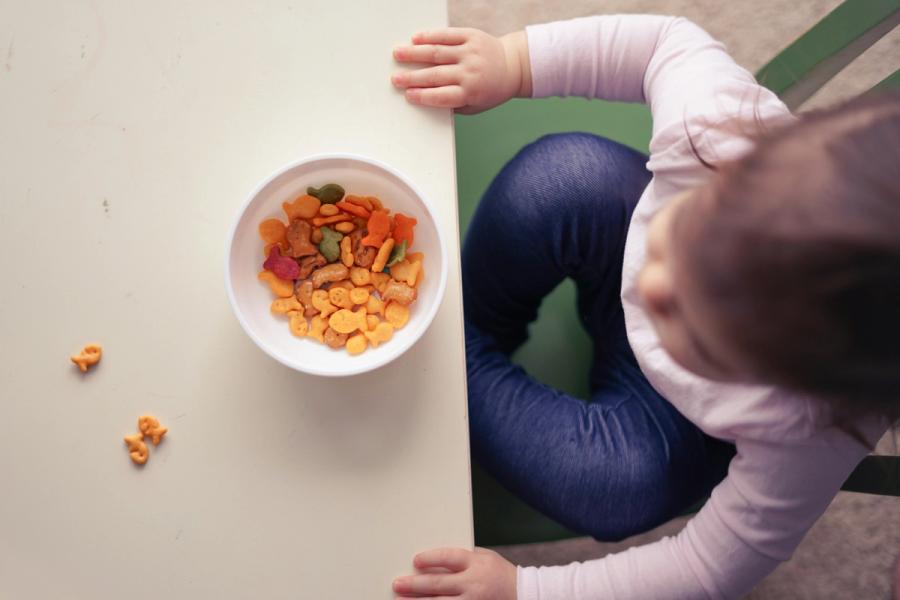
Before we get to the food, I want to spend a few minutes on the science. Because understanding why your toddler refuses food completely changed how I approached dinnertime, and I think it will for you too.
First, the numbers. Research consistently estimates that between 20 and 50 percent of toddlers and preschoolers go through a significant picky eating phase. You read that right: up to half of all children this age are described by their parents as picky eaters. This is not a parenting failure. This is developmental biology doing exactly what it is designed to do.
The reason young children become suspicious of new foods around 12–36 months is something researchers call food neophobia a fear of unfamiliar foods. It sounds modern, but it is evolutionarily ancient: as toddlers became mobile and able to forage independently, the ones who were instinctively cautious about putting unfamiliar things in their mouths were less likely to eat something toxic. Your toddler’s suspicion of the new vegetable on their plate is, in the deepest sense, a survival instinct.
And here is the finding that genuinely changed how I operate: research published in Frontiers in Psychology found that children typically need 8 to 15 separate exposures to a food before they will accept it, and crucially, exposure does not mean eating. Just having a food visible on their plate, touching it, smelling it, seeing you eat it: all of these count. Many caregivers in the study gave up after three or four attempts, not knowing the bar was so much higher.
There is also a genetic component. A large twin study published in the Journal of Child Psychology and Psychiatry found that 46% of differences in food fussiness between children, and 58% of food neophobia differences, were explained by genetics. Your child may simply be wired to be more cautious about food than another child. That is not something you caused. And it is not something you can force away with pressure.
Most importantly: research published in Paediatrics & Child Health confirms that the majority of picky-eating toddlers have an appetite that is entirely appropriate for their age and rate of growth, and that most children grow out of food fussiness by age four or five. Your job is not to fix the picky eating. Your job is to keep mealtimes calm and pleasant until their brain matures enough to relax its guard.
With that foundation in place, here is what I actually feed my toddler.
The Children’s Hospital of Philadelphia is one of the leading centres for picky eating research in the world. Their feeding clinic psychologist Dr. Katherine Dahlsgaard describes picky eating as among the most distressing parenting experiences families bring to her practice — and also one of the most treatable with the right approach. The key: “repeated, calm, no-pressure exposure to foods” over time. Pressure makes picky eating significantly worse.
2. The 5 dinner rules I follow that actually made a difference
Before I share the dinners themselves, these are the five rules I apply every single night. They are not glamorous. They are not a method you will find on Instagram. But they are research-backed, and they work.
Always include one “safe food” they will definitely eat
Serve food deconstructed, not mixed
Offer dips, always
No emotional reaction to refusal
Eat the same food yourself
3. The 14 dinners, tested, approved, repeated
These are in no particular order of preference. What they all share: straightforward to make, reliably accepted, and genuinely flexible enough that you can sneak nutrition in without turning dinnertime into a negotiation.
1. Why it works: the child controls what goes inside
Warm a flour tortilla, set out small bowls of grated cheese, cooked shredded chicken, sweetcorn, and diced tomato. Let your toddler point to what they want inside, fold it, and press it in the pan. The act of building their own food dramatically increases the likelihood they will eat it. My son will eat cheese-only quesadillas every time and occasionally, bravely, accepts sweetcorn.
Serve with a small bowl of mild salsa or yoghurt for dipping. The tortilla itself is a nutritional blank canvas.
Under 15 Minutes • Protein • Finger Food
2. Why it works: familiar base, invisible nutrition
Cook pasta. While it cooks, blend half a cooked butternut squash (or a handful of frozen peas) with butter, a splash of pasta water, and a pinch of salt until completely smooth. Toss with the drained pasta. It looks like buttered pasta. It is not just buttered pasta. You can do this with cauliflower, sweet potato, or carrots too the key is getting it completely smooth with no visible vegetable pieces. This is the dinner that convinced me blending was not cheating.
Add a small sprinkle of grated parmesan on top, toddlers who love cheese will eat the pasta to get to the cheese.
Under 20 mins • Hidden veg
3. Why it works: finger-food size, mild flavour, familiar texture
Roll small meatballs from minced beef or chicken mixed with a little breadcrumb and egg. Bake at 190°C for 18 minutes. Serve with plain rice and a dipping sauce of choice. Mini meatballs are one of the most universally accepted toddler proteins small enough to pick up, mild enough to not threaten, and satisfying enough that even small portions count. Make a big batch and freeze half.
Grate a courgette into the mince mixture it completely disappears into the texture and adds moisture and nutrients.
Protein • Finger food • Freezer-friendly
4. Why it works: breakfast familiarity + interactive format
Breakfast for dinner is underrated. Scrambled eggs are mild, soft, quick, nutritious, and almost universally accepted by toddlers who are otherwise exhausting about protein. Cutting toast into soldiers long, dippable strips makes it interactive and approachable. Add sliced banana or cucumber sticks on the side for colour and something cold and crunchy to contrast. This is my fastest “nothing is working tonight” dinner, ready in eight minutes.
Add a small handful of grated cheddar into the scramble at the end the cheese melts in and adds both nutrition and flavour that most toddlers love.
8 minutes • Protein • Dippable
5. Why it works: control, texture, dipping
Cut chicken breast into strips, coat in a thin layer of beaten egg then breadcrumbs, and bake at 200°C for 20 minutes. Set out three small dipping options: ketchup, mild hummus, and Greek yoghurt with a pinch of garlic. The dip bar gives your toddler three choices and three tiny sense of control moments — all of which add up to less resistance. This also works beautifully with homemade fish goujons using any white fish.Make a large batch on Sunday and freeze between parchment. These reheat in the oven in 10 minutes — one of the most useful freezer shortcuts I have.
Protein • Freezer-friendly • Finger food
6. Why it works: familiar carb base, protein built in, everything separate
Use day-old cold rice (freshly cooked rice goes sticky). Push rice to the side of the pan, scramble two eggs in the space, break them up, then toss with the rice, a splash of mild soy sauce, frozen peas, and a little sesame oil. Serve with the components as visible as possible. This is one of the most nutritionally complete “accepted” dinners on our list protein, carbohydrate, and vegetables in one bowl that my toddler happily eats while apparently not noticing the peas.
Use just a tiny splash of low-sodium soy sauce it provides flavour without overwhelming a toddler palate, and keeps the sodium count appropriate.
Under 15 mins • ProteinVeg • included
7. Why it works: crispy texture, finger food, invisible vegetables
Grate courgette, carrot, or sweet potato. Squeeze out moisture in a clean cloth. Mix with one egg, two tablespoons of flour, a pinch of salt, and grated cheese. Fry small spoonfuls in a little oil until golden on each side. These look and feel like small pancakes a format toddlers almost universally accept but are packed with vegetables that are invisible inside the crispy exterior. Serve with yoghurt dip.
Make these 50% potato (mashed or grated) if your toddler is extra resistant. The starchy base makes them feel safer while the vegetables sneak in at a lower ratio.
Hidden veg • Finger food • Freezer-friendly
8. Why it works: every component is safe, they build their own
Serve the components of a taco in separate little piles on a plate or in a divided bowl: mild seasoned mince, plain rice, grated cheese, diced cucumber, mild sour cream. No mixing. Each pile is non-threatening on its own. The toddler chooses what to eat and in what combination. On a good night my son eats all five components. On a hard night, he eats rice and cheese.
Either way, it is not a battle and battle avoidance is half the job.
Under 20 mins • Protein
9. Why it works: sweet base + familiar finger food = reliable success
Sweet potato mash has a natural sweetness toddlers tend to find approachable where regular potato can be refused. Boil and mash with butter and a small splash of milk. Pair with shop-bought or homemade fish fingers. Omega-3 fatty acids in fish are specifically recommended by pediatric dietitians for toddler brain development. Getting fish into a picky eater is one of the most valuable wins at dinnertime.If your toddler refuses fish entirely, start with very mild white fish (tilapia or cod) in a breadcrumb coating the coating makes it feel safer than visible fish flesh.
Omega-3 • Finger food
10. Why it works: beloved format, endless protein options
Breakfast for dinner is a legitimate strategy, not a parenting failure. Simple pancakes one egg, half a cup of flour, half a cup of milk served with a choice of toppings: nut butter, Greek yoghurt, sliced banana, scrambled egg on the side. Pancakes are one of the few foods where even very picky eaters show consistent willingness. Use the opportunity to offer protein-rich toppings they might refuse in another format.
Add a mashed banana or a handful of blended spinach to the batter both are tasteless in the final pancake and add meaningful nutrition.
Under 15 mins • Protein toppings
11. Why it works: texture is completely soft, bread is the anchor
A genuinely mild soup chicken stock, soft-cooked potato, carrot, and shredded chicken blended until completely smooth. No visible vegetable pieces. No chunks to pick around. Served with thick slices of bread for dipping. The bread is the safe food that guarantees they eat something; the soup provides the nutrition. For toddlers with texture issues, smooth soups are often the most reliable way to get vegetables into the meal.
Make a large pot and freeze in portions. A frozen soup cube reheated takes four minutes this is your truly zero-effort dinner for exhausted evenings.
Hidden veg • Freezer portions • Protein
12. Why it works: toddlers are categorically delighted by mini food
Toast small rounds of bread, spread with a thin layer of mild tomato paste, add grated mozzarella, and bake for 8 minutes at 200°C until the cheese bubbles. Before baking, finely dice and scatter any vegetables they normally refuse peppers, mushrooms, courgette so they are buried under the cheese. The pizza format makes toddlers so happy that they often eat past the vegetables without noticing. Add whatever protein they accept on top.
Set up a mini pizza-building station and let your toddler put on their own toppings. They will choose cheese only. But they will eat it with enormous enthusiasm.
Under 15 mins • Hidden veg optional • Finger food
13. Why it works: smooth, familiar texture; sauce is protein-rich
Cook egg noodles until very soft. Thin smooth peanut butter with a little warm water, a tiny splash of soy sauce, and a drop of sesame oil to make a light coating sauce. Toss noodles in the sauce. Serve with cucumber sticks on the side. Peanut butter is one of the most efficient sources of protein and healthy fat for toddlers, and most children who refuse other proteins will accept it in sauce form. Check for nut allergies before introducing.
If peanut allergy is a concern, tahini (sesame paste) makes an identical sauce with a slightly different flavour that most toddlers accept equally well.
Under 15 mins • Protein-rich sauce
14. Why it works: the most reliable dinner we have
Plain white or jollof rice served alongside the stew in a separate bowl, not poured over. This is my ultimate fallback and importantly it is not a failure. For many toddlers, particularly those in households where rice is a daily food from infancy, this will be accepted reliably even on the worst eating days. Add the protein of your choice to the stew. Keep it mild. Let them eat as much rice as they want. Some nights, a reliably eaten dinner is genuinely the win.
Offering a very small amount of the stew on a separate spoon for dipping the rice often gets more stew eaten than serving it separately. The dipping ritual again. It always comes back to dipping.
Your regular recipe • Protein in stew
4. What I do when they refuse even the safe foods
There will be nights when none of this works. Nights when your toddler will refuse the pasta they ate yesterday, the rice they have eaten every day for six months, the eggs they have requested at every breakfast. This is normal. It is not regression. It is not a sign you are back to square one.
Here is my exact protocol for those nights, built from what the research suggests:
Step 1: Say nothing beyond “that’s okay.”
No “are you sure?” No “but you love this.” No sigh. No visible disappointment. Just a calm “that’s okay” and continue eating your own food.
Step 2: Leave the plate on the table for 15 minutes.
Do not remove it. Do not offer an alternative. Toddlers often decide to try something after ten minutes of watching you eat without making it a big deal. The food staying on the table keeps the option available without any pressure attached.
Step 3: End the meal without comment.
If after 15 minutes they have eaten nothing, clear the plate calmly and without commentary. No “you’ll be hungry later.” No “fine, but don’t come asking for snacks.” Just the matter-of-fact end of a meal.
Step 4: Offer a plain snack before bed if they are genuinely hungry.
A piece of bread, some plain crackers, a banana. No elaborate alternative meal. This reassures you that they won’t go to sleep hungry, without training them that refusing dinner results in something more appealing.
Most toddler picky eating is developmental and resolves by age 5. However, speak to your GP or a pediatric dietitian if: your child eats fewer than 5–10 foods consistently, if mealtimes regularly cause genuine distress or gagging, if your child is losing weight or dropping growth centiles, or if eating anxiety is affecting daily life. These can be signs of a condition called ARFID (Avoidant Restrictive Food Intake Disorder) that responds well to specialist support.
5. The one thing I stopped doing that changed everything
I stopped making two separate dinners.
For months I would cook a “proper” dinner for myself and then make something different, simpler, and “safe” for my toddler. The pediatric feeding research is absolutely unambiguous on this point: it is one of the least effective long-term strategies a parent can use. It inadvertently communicates that the “grown-up” food is not for them. It removes all modelling opportunity. And it trains the toddler that refusal results in a more acceptable alternative.
Now, we eat the same meal. I adjust the heat level, cut things smaller, and serve the components separated. But the food on my plate and the food on his plate is fundamentally the same. And on the nights he barely eats anything: the food on my plate is still evidence that this is normal food that normal people eat with enjoyment.
The most powerful thing a parent can do for a picky eater is eat beside them, with visible pleasure, eating the food they are refusing. Not as a performance. Just because you are also a person who is having dinner.
— Adapted from feeding research at Children’s Hospital of Philadelphia
It took about three weeks of this before I noticed a difference. My son started watching my plate with something other than suspicion. He started asking what I was eating. He asked to try my food not the food on his plate, specifically my food on several occasions. And the things he tried from my plate eventually made it onto his plate the following week, usually without protest.
Family mealtimes are one of the oldest and most researched tools in the pediatric nutrition toolkit. They work. Not immediately, not dramatically, but over months: they genuinely work.
A final honest word
A year ago, dinnertime was the part of the day I dreaded most. Not because of the cooking, but because of the feeling of failure when food I’d made was refused. The research I found changed that. Understanding that my toddler was doing something biologically normal, not deliberately difficult, removed a layer of stress I hadn’t realised I was carrying.
These 14 dinners are not magic. Some nights even the most accepted dinner gets refused. But having a reliable set of meals that work most of the time, combined with a dinnertime approach that removes pressure from the whole situation, has made evenings genuinely more peaceful in our house.
I hope they do the same for yours. Which of these are you trying first? Come and tell me in the comments and if you have a toddler-approved dinner that is not on this list, I would genuinely love to add it to my own rotation.
Save this list before the next dinnertime battle hits. Pin it, bookmark it, or send it to another mum who needs it tonight. And if you found it helpful, a share in your parent WhatsApp group helps this blog reach more families — which means a lot when you are just starting out. Thank you for being here.
Community Discussion
Join 0 parents sharing their thoughts
Loading conversation...
Save this article for later?
We'll send a beautiful copy straight to your inbox so you never lose it.

Avery Hayes
Mom Of Two
Avery Hayes is a mother of two and a parenting writer passionate about helping families through honest, relatable content.
Related Articles
The Feeding Method With 40 Years of Research Behind It That Most Parents Have Never Heard Of.
Ellyn Satter's Division of Responsibility was developed in the 1980s, has 40+ years of peer-reviewed research behind it, is endorsed by the American Academy of Pediatrics, and produces children who eat a wide variety of foods, self-regulate their intake.

The Reason Your Toddler "Doesn't Play With Anything" Is Probably Sitting in Your Living Room.
A 2018 University of Toledo study showed children given fewer toys played longer, deeper, and more creatively than those given many. The cluttered playroom you are working so hard to maintain is actually the problem. Here is the research, and the 4-bin reset that fixes it in a weekend.

Sleep Regressions Are Not Random. There Are 5 Predictable Ones, and Each Has a Different Fix.
The 4 month regression, the 8 month regression, the 12, 18, and 2 year regressions. Each one is tied to a specific developmental leap. When you know which one you are in, you know exactly how to respond. Here is the complete map.