The Feeding Method With 40 Years of Research Behind It That Most Parents Have Never Heard Of.
Ellyn Satter's Division of Responsibility was developed in the 1980s, has 40+ years of peer-reviewed research behind it, is endorsed by the American Academy of Pediatrics, and produces children who eat a wide variety of foods, self-regulate their intake.

Avery Hayes
Mom Of Two
May 8, 2026 · 14 min read
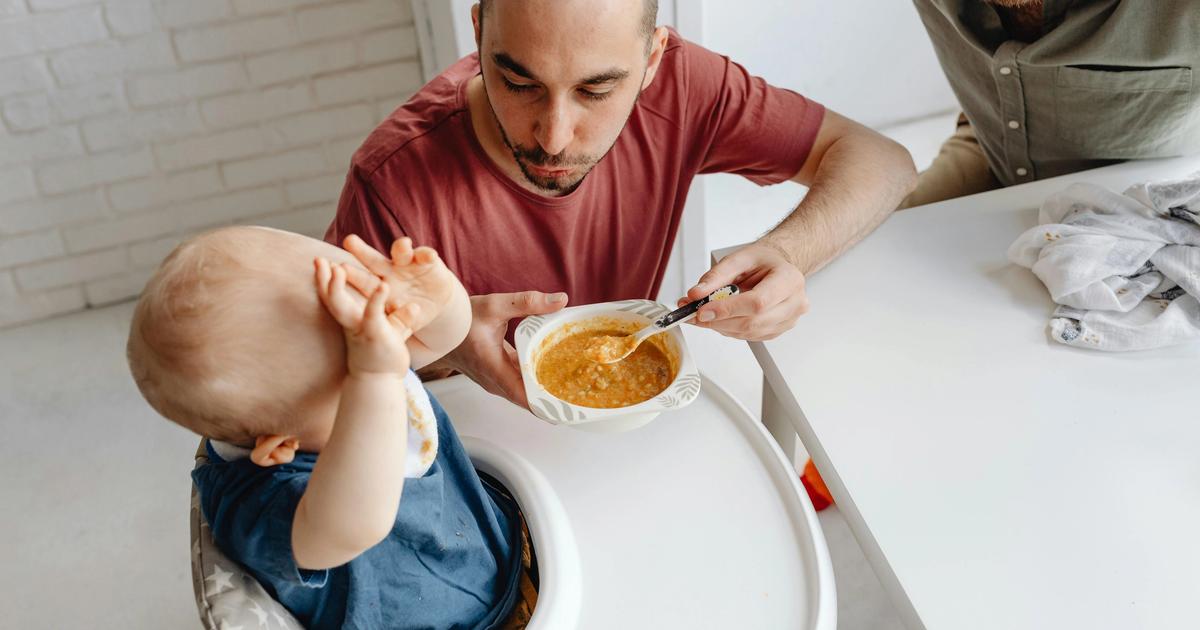
I want to start with the most common scene in modern family kitchens, because most of us have lived this version on a Tuesday evening.
You have made dinner. Something reasonable. The child looks at the plate and says no. You explain. You bargain. You produce a smaller portion. You make alternative requests. You say "two more bites." You make the deal: if you eat this, you can have that. Voices rise. Tears appear. Eventually, somebody gives in. Either you cave and produce the chicken nuggets. Or the child caves and chokes down three reluctant bites of broccoli. Either way, no one is happy. The child has learned that mealtimes are a battle. You have learned that you dread them.
What I want to tell you is that there is a way out. It has been there for forty years. It is endorsed by the American Academy of Pediatrics. It has more peer-reviewed research behind it than almost any other parenting framework. And most parents have never heard of it.
It is called the Division of Responsibility, developed by registered dietitian and family therapist Ellyn Satter. The principles are simple. The implementation, especially in the first weeks, is harder than it looks. The results, when families stick with it, are genuinely transformative. Mealtime battles end. Children begin to eat a wider variety of foods. They self-regulate their intake. The relationship with food, for the whole family, changes.
This post is the careful, honest version. What it is. Why the alternatives fail. How to actually do it. And the mistakes that derail most families in week one.
What the Division of Responsibility actually is
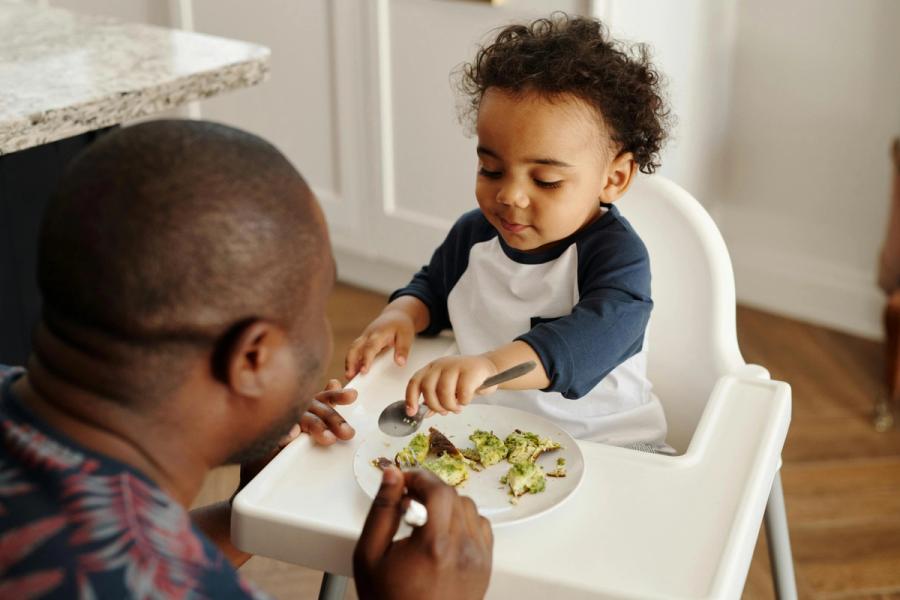
The Division of Responsibility, in its simplest form, divides feeding into two roles. The parent decides what is offered, when, and where. The child decides whether to eat and how much.
That is genuinely the entire framework. Everything else is implementation.
Notice what this does. It removes the parent from the question of how much the child eats and which specific foods on the plate. That entire negotiation, the source of nearly all dinner-table battles, is eliminated. Not by force. By structural redesign of the roles.
What is not in either column: bribing, "two more bites," dessert as reward, hiding vegetables, alternative meals on demand, plate-clearing rules, special "kid food," or any of the negotiations that consume modern family dinners.
The framework was developed by Ellyn Satter in the late 1970s and 1980s. It has been studied repeatedly in peer-reviewed research. A 2014 validation study published in Childhood Obesity developed and tested a measurement tool to assess adherence to the Division of Responsibility, finding the framework's core principles measurable, replicable, and associated with positive child eating outcomes. A separate study testing the model in the context of restrictive snack-management practices found that children whose mothers respected their child's prerogatives about how much to eat had lower BMIs and lower tendency to eat in the absence of hunger. The research base is substantial.
Why bribes, threats, and "two more bites" fail
The intuition behind most picky-eater interventions is something like this: the child is not eating enough of the right things, so I need to apply more pressure (bribes, threats, alternative meals, "just three bites") to get the child eating. The research is unusually clear that this approach backfires, and worse, often creates the picky eating in the first place.
Pressure produces avoidance. When children are pressured to eat specific foods, the most consistent finding in feeding research is that they end up liking those foods less, not more. The food becomes associated with stress, conflict, and parental disapproval. The child's relationship with that food, and often with food generally, deteriorates.
Bribery teaches that broccoli is the punishment and dessert is the reward. "If you finish your vegetables, you can have ice cream" is one of the most common parental phrases at modern dinner tables. It also teaches the child a structure: vegetables are obstacles; sweets are rewards. Both lessons stick. Children raised on this framing tend to develop more disordered eating patterns and more difficulty self-regulating sweets in adolescence.
Plate-clearing rules disconnect children from their hunger and fullness signals. Children, like adults, are born with reasonably good internal signals about how much food their bodies need. Forcing them to eat past fullness ("you have to finish what's on your plate") teaches them to override those signals. The American Academy of Pediatrics specifically warns against this for exactly this reason. The disconnection from hunger/fullness signals is one of the strongest predictors of weight regulation problems later in life.
Alternative meals on demand teach children that the menu is negotiable. If a child knows that refusing dinner will produce a buttered noodle option in 10 minutes, the cost of refusing dinner is zero. The behaviour is, perfectly rationally, perpetuated. This is not the child being difficult. It is a child responding sensibly to the system the parents have built.
"Just two more bites" makes parents the food police. The role of "the person who decides how much the child eats" is, structurally, an adversarial role. The child who has had enough is being told they have not. The child experiences this as the parent overriding their body. Over time, this teaches the child to either rebel against the parent (and the food becomes the battle ground) or to comply against their own signals (and the disconnection sets in). Neither is a good outcome.
sDOR encourages parents to take leadership with the what, when, and where of feeding and let children determine how much and whether they will eat of what adults provide. Children eat and grow well when parents feed according to a developmentally appropriate Division of Responsibility.
The Ellyn Satter Institute, Satter Feeding Dynamics Model
The 2 roles, in detail
Let me walk through what each role actually looks like in practice, because the simplicity of "parent decides what; child decides if and how much" hides a lot of important detail.
The parent's role, in real-life detail
You decide the menu. Not the child. You are not a short-order cook. You are not making three different versions of dinner. You are putting one meal on the table that the family is eating. The child can choose from what is on offer. They cannot order off-menu.
You include at least one item you know they like. This is the most important practical move. Every meal includes one or two "safe" foods (a bread roll, a piece of fruit, a familiar starch) alongside the new or less-loved foods. This way, even if the child does not eat the broccoli or the salmon, they are not going to bed starving. The safe food is not a bribe. It is a normal, dignified part of the meal.
You serve at predictable times. Three meals and 1-2 snacks per day, at roughly the same times. This is critical because the framework relies on the child being genuinely hungry at meals. A child grazing constantly is never hungry enough to try new things. Predictability also reduces anxiety: the child knows when food is coming.
You make mealtimes pleasant. No food fights. No commentary on what is or is not being eaten. No anxious watching of the child's plate. Conversation about other things. The atmosphere is warm and unhurried. This is the part most parents underestimate.
You sit and eat with them. Family meals, where adults eat the same food alongside children, are one of the strongest predictors of children developing varied palates. You are modelling, even when you do not realise it.
You trust their body. You do not police what they eat from their plate. You do not nudge "just one bite of the carrots." You do not panic if they eat "only" the bread roll one night. You let them be the authority on their own hunger and fullness.
The child's role, in real-life detail
They decide whether to eat. If they are not hungry, they do not have to eat. They can sit at the table for the duration of the meal, then be excused. They are not forced to eat.
They decide how much. If they want one bite of pasta and a whole apple, that is fine. If they want three helpings of one thing, that is fine. The internal signals are theirs.
They decide which of the offered foods. If three things are on the table and they want only the bread, that is acceptable. If they want only the broccoli for once, also acceptable. The choice is from what is offered, but within that, it is theirs.
They eat at the family table. This is one of the rare expectations of the child. Mealtimes happen at the table, with the family. Not in front of a screen, not standing at the counter, not snacking continuously throughout the day.
They feel hungry between meals. This is hard for some parents to accept, but it is part of the framework. A child who is grazing all day is not going to come to the dinner table hungry. The mild hunger between structured meals is part of how the system works.
What dinner actually looks like
Theory is one thing. Tuesday-evening real life is another. Here is what a Division of Responsibility dinner actually looks like, with the parent's job and the child's job in motion.
It is 5:45pm. You have made baked salmon, rice, and steamed broccoli. You have also put a small bowl of bread rolls on the table because you know your 5-year-old loves bread.
Your job is now done, in the sense that the menu is set. You have included a safe food. You have served at the predictable time.
The family sits down. You have a conversation about your day. You serve yourself, and onto each child's plate you put a small portion of each of the three things, plus a bread roll. Small portions, because too much on the plate looks overwhelming, and they can always have more.
Your 5-year-old eats one bite of rice, ignores the salmon entirely, eats two pieces of broccoli, and devours the bread roll. Then asks for another bread roll. You give it without comment. They eat it. They say they're done.
You say "ok, you can be excused when we're done."
You do not say "but you barely ate anything."
You do not say "two more bites of salmon and you can have a yoghurt for pudding."
You do not produce alternative food in 30 minutes when they say they're hungry. You say, kindly, "the kitchen is closed until snack time at 8am tomorrow."
That is it. That is dinner.
What happens in week one is that your child says they are hungry at 7pm and gets nothing. They go to bed slightly hungry. They wake up the next morning genuinely hungry. They eat a substantial breakfast. They are slightly more open to lunch. By Friday of week two, they are trying things they would not have touched a week ago.
This is the actual mechanism by which the framework works. It is not magic. It is structure.
The hardest part of week one is sitting at the table watching your child eat very little of what you cooked, while not commenting, not pleading, not bribing, not negotiating. Most parents fail this part. The 80% who hold the line through the first 10-14 days, in the practitioners' experience, see the change. The 20% who break and start producing alternative meals "just this once" do not.
The first week: what to expect
I want to be honest about the first week, because if you go in expecting it to be easy, you will quit.
Your child will, almost certainly, refuse the meal. They will ask for an alternative. They will protest when no alternative is forthcoming. They may tantrum. They may eat only the safe food. They may eat nothing. This is not failure. This is the system working. The child is testing whether the rules really have changed.
By day 3-4, your child is going to bed slightly hungry on some evenings. On day 4-5, they wake up genuinely hungry for the first time in a long time. Breakfast becomes a normal-sized meal again rather than a battle of two-bite negotiations. The child's relationship with hunger is starting to recalibrate.
Around day 7, most children try something they have been refusing for weeks. Without any pressure. Without comment. Just because the food is on the table, they are hungry, and the atmosphere is calm. Do not make a big deal of it. Praising the brave eating ("good job eating your carrots!") often makes the child stop, because they realise the parent is still watching their plate. Just keep eating your own food.
By the second week, most families report that mealtimes are calmer, the child is eating a slightly wider range of foods, and the parents are stopping the constant low-level food anxiety they had not realised they were carrying. The transformation is rarely complete in two weeks, but the trajectory is clear.
By the third or fourth week, the framework is what your family does, not what you are trying to do. Children's repertoires expand. Mealtime stress drops dramatically. Most families report that the change is not just at meals: the broader power-struggle dynamic across the day softens, because food is no longer the daily battle. The framework, fully embedded, is genuinely transformative.
What helps most in week one: writing the framework on a piece of paper and putting it inside the kitchen cabinet door. Not visible to the child. Visible to the adults. As the NourishHer guide notes, dietitians who teach this framework specifically recommend printing the rules and keeping them visible to caregivers, including any sitters or co-parents, so the structure is consistent.
5 mistakes that derail the method
If the framework is not working in your house, almost always it is one of these five things.
If you make a different dinner when the child refuses the original, you have just taught them that refusing produces an alternative. The whole framework collapses. The hardest discipline of the first weeks is sitting with the discomfort of "but they didn't eat anything!" and not producing chicken nuggets at 7pm. They will, the next day, eat substantially more of the next meal. Hunger is the actual mechanism.
Children who are eating constantly between meals are never hungry enough at meals to try anything. The framework requires structured meal and snack times, with closed-kitchen periods between. If your child has access to crackers and goldfish all afternoon, dinner will not work no matter what is on the table. Structure the day. Cracker-grazing is not "letting them eat what they need." It is undermining the meal structure.
If your eyes are on their fork, your child knows. The whole atmosphere shifts. The child senses the surveillance and either eats reluctantly to please you, or refuses to be controlled. Either way, the relationship is corrupted. Eat your own food. Talk about other things. Trust their body. The hardest skill of the framework is the trust.
"You only ate the bread tonight" is a comment. So is "You did really well with the salmon!" Both keep food central in the relationship in ways the framework does not want. Try, as much as humanly possible, not to make the child's eating a topic of conversation at all. Praise the conversation, the manners, the time spent together. Not the eating.
If grandparents, sitters, or one parent operate by different rules ("but Granny always lets me have crisps before dinner"), the framework cannot stabilise. The child has correctly learned that the rules are situational. Get everyone aligned, even if it means having an awkward conversation with grandparents. The framework's strength comes from its consistency.
Frequently asked questions
My child has gone to bed without eating. Should I really do nothing?
If they sat at the table during dinner, were offered food including a safe option, and chose not to eat, then yes. They will be hungry tomorrow morning, and they will eat. Children are remarkably good at not starving themselves over the timescale of a single missed meal. The discomfort you feel is real, but it is your discomfort, not theirs. The exception: an unwell child, a child with diabetes, an infant, or any child your paediatrician has advised differently for. For typical healthy preschoolers and older, missing a meal is a useful signal, not a danger.
What if my child has actual selective eating or ARFID?
The Division of Responsibility is designed for typical picky eating, which is most cases. For children with Avoidant/Restrictive Food Intake Disorder (ARFID), severe food selectivity, swallowing difficulties, sensory processing differences (often co-occurring with autism), or dramatic weight loss, you need professional support, ideally from a paediatric dietitian and/or a feeding therapist. The framework is not a substitute for clinical care in these cases. The Academy of Nutrition and Dietetics can help you find a registered dietitian who works with paediatric feeding issues.
My child's repertoire has shrunk to about 10 foods. Will they really expand it on this method?
Most children, yes, over months not days. The expansion is gradual. New foods get tried, then maybe rejected, then tried again 3 weeks later. The framework gives the child the safe space to try without pressure. As feeding-focused practitioners describe, "without pressure, kids very often try things you don't expect them to since there aren't any power dynamics at play." If after 8-12 weeks of consistent application your child's repertoire has not expanded at all, that is a marker for getting professional input.
Can I sneak vegetables into other foods?
Generally not, in this framework. Hidden vegetables (the spinach in the brownie) get the nutrition in but undermine the larger goal: helping the child develop a real relationship with vegetables. They are not eating spinach. They are eating brownies that contain spinach. They have not learned to like spinach. Cooking a meal that includes spinach openly, alongside foods they like, lets them take the slow journey toward acceptance. The hiding feels efficient but skips the actual learning.
What about dessert? Is it allowed?
Yes, in a particular way. Satter recommends including dessert as a normal part of the meal, served alongside the rest of the food, in modest portions, with no requirement to eat the rest of the meal first. This sounds counterintuitive but the research shows it works: children who are not denied sweets do not become obsessed with them, and the dessert loses its reward-power. The child can eat their pudding first if they want. They might. By week 4, most don't, because dessert is no longer a forbidden prize. It is just food.
My partner thinks this is "letting them get away with murder." How do I respond?
Common partnership disagreement. The honest response is to share the research, particularly the AAP endorsement and the long-term outcome data. The framework is not permissive: there are clear roles and expectations. The child does not get to decide what is on the menu. They do not get alternative meals. They do not get to graze. What they do get is autonomy over how much of what is offered they eat. Most partners, given two weeks of trying it consistently together, are persuaded by the change in the household atmosphere.
The trust at the centre
The reason the Division of Responsibility works, when it works, is that it is built on a fundamental trust: that your child's body knows what it needs. That they can be trusted, in a structured, supported environment, to feed themselves over time.
This trust is uncomfortable for many parents. We have absorbed decades of cultural messaging that children must be made to eat the right things, that left to themselves they would eat only sweets, that pressure is care.
The research, across forty years, says otherwise. Children given consistent structure and offered varied foods, without pressure, develop into competent eaters. They do not, on average, choose only sweets. They choose, over time, a varied range. They learn to recognise hunger and fullness. They develop a healthy relationship with food that often lasts into adulthood.
What the bribing-and-threatening approach produces, instead, is exactly what most modern families have: tension at every meal, narrow palates, disordered eating risks, and a relationship with food that is corrupted by the relationship with parents.
You can stop. The two roles are simple. The first weeks are hard. The reward, in a calmer kitchen and a healthier eater, is worth it.
Have you tried the Division of Responsibility? Tell me in the comments. The honest reports of what week one was like, from real families, helps everyone trying it.
Read next
Community Discussion
Join 0 parents sharing their thoughts
Loading conversation...
Save this article for later?
We'll send a beautiful copy straight to your inbox so you never lose it.

Avery Hayes
Mom Of Two
Avery Hayes is a mother of two and a parenting writer passionate about helping families through honest, relatable content.
Related Articles

The Reason Your Toddler "Doesn't Play With Anything" Is Probably Sitting in Your Living Room.
A 2018 University of Toledo study showed children given fewer toys played longer, deeper, and more creatively than those given many. The cluttered playroom you are working so hard to maintain is actually the problem. Here is the research, and the 4-bin reset that fixes it in a weekend.

Sleep Regressions Are Not Random. There Are 5 Predictable Ones, and Each Has a Different Fix.
The 4 month regression, the 8 month regression, the 12, 18, and 2 year regressions. Each one is tied to a specific developmental leap. When you know which one you are in, you know exactly how to respond. Here is the complete map.

The Fail-Safe School Lunch Formula That Stopped the Wednesday Night Meltdowns in My House.
A simple four-component lunch formula that works for picky kids, balanced nutrition, and your sanity. Stop reinventing the wheel every morning. Twenty rotating combos that use the same formula, so you never think about lunch again.