The Fail-Safe School Lunch Formula That Stopped the Wednesday Night Meltdowns in My House.
A simple four-component lunch formula that works for picky kids, balanced nutrition, and your sanity. Stop reinventing the wheel every morning. Twenty rotating combos that use the same formula, so you never think about lunch again.

Avery Hayes
Mom Of Two
April 20, 2026 · 9 min read
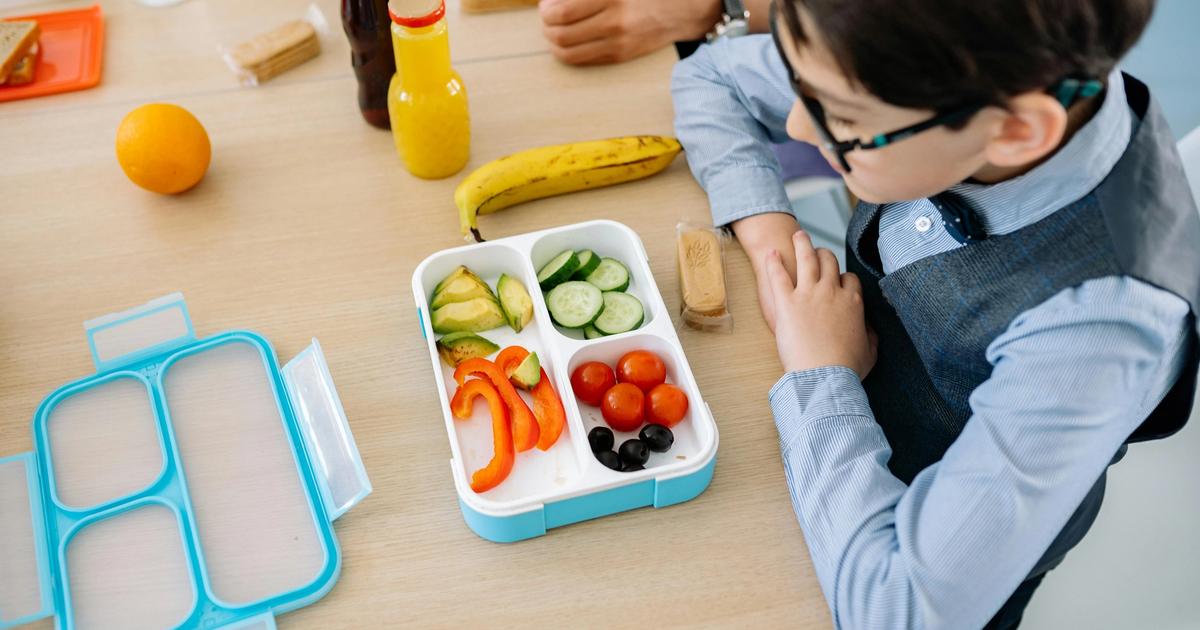
I used to stand in front of the fridge at 7:12am, having already made two breakfasts and found one missing shoe, trying to invent a school lunch that was (a) nutritious, (b) something my child would actually eat, (c) not what she had yesterday, (d) appropriate for a packed lunch, and (e) ready in under four minutes. Most mornings I failed at two of those. Wednesdays I failed at four.
The fix was not discovering new recipes. It was discovering I did not need to. I needed a formula. Once I had the formula, I stopped making decisions. I started assembling. Lunch went from a stressful creative act to a boring operational task. Boring is good. Boring is what saves your mornings.
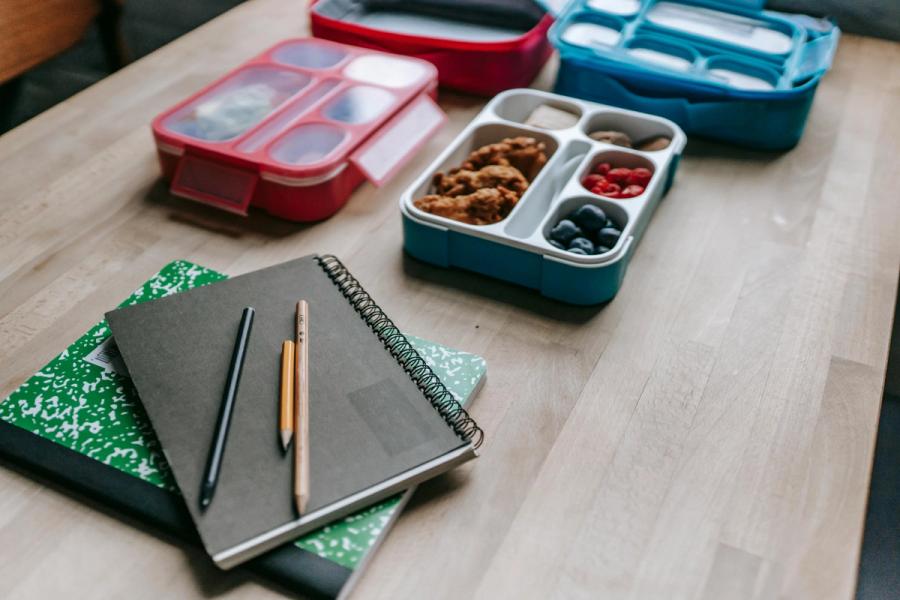
The four-component formula
Every single lunch in my house now has the same four components. No exceptions. The components change. The structure does not.
Component 1: A main. The protein-plus-carb element that is the bulk of the meal. Sandwich, wrap, pasta, rice ball, boiled egg and pitta, leftover meat and crackers. Whatever is filling, recognisable, and acceptable to your child.
Component 2: A fruit. Always fresh. Whatever is in season, chopped small enough to eat quickly. Grapes (halved), apple slices, mandarin segments, strawberries, pineapple chunks, mango, melon.
Component 3: A vegetable. Raw, easy, and something they will actually touch. Cucumber sticks, carrot sticks, cherry tomatoes, sugar snap peas, red pepper strips, radish. Do not send broccoli to school. Nobody eats broccoli at school.
Component 4: A treat-adjacent snack. This is the thing that makes lunch feel like lunch. A small biscuit, a handful of crisps, a few squares of chocolate, popcorn, a wafer. Keep it small. Keep it happy. Food is allowed to be joy.
That is it. Every day. Four components. Mix and match. You can plan a whole week in five minutes on Sunday because the framework does not change.
Why this works (and why "variety" does not)
Child feeding experts like Ellyn Satter have written extensively about the division of responsibility in feeding. Your job is to decide what, when, and where. Their job is to decide whether and how much. The four-component formula does your job cleanly. It offers balance without forcing it. And it removes the daily cognitive labor of reinvention.
Parents who try to create endless variety end up doing three things badly. First, they spend an hour a week searching Pinterest. Second, they produce lunches their children reject because "novelty" is not actually what children value in food. Third, they waste food when the child opens a surprise lunch and refuses it.
Children genuinely prefer predictability in food. A child who gets some version of "sandwich, fruit, cucumber, biscuit" most days knows what is coming, trusts the lunchbox, and eats it. A child who opens something different every day of the week is more likely to reject unfamiliar items and come home hungry.
Children's food acceptance is built through repeated, low-pressure exposure to the same foods in the same context. Novelty is not a feature of good feeding. Consistency is. Framework based on Ellyn Satter's division of responsibility in feeding
The 20 combos I rotate
Here are twenty fail-safe lunches using the four-component formula. None of these require cooking in the morning. All assume the night-before prep of whatever protein or carb is needed.
1. Cheese and cucumber sandwich / grapes / carrot sticks / wafer
2. Ham wrap / apple slices / cherry tomatoes / crisps
3. Pasta salad (leftover) / strawberries / cucumber / biscuit
4. Chicken and avocado sandwich / mandarin / red pepper / popcorn
5. Boiled egg, pitta, hummus / pineapple / cucumber / crackers
6. Tuna mayo pitta / grapes / carrot sticks / chocolate square
7. Jollof rice (leftover, cold) / mango / cucumber / plantain chips
8. Cheese and cracker "ploughman's" / apple / tomato / biscuit
9. Bagel with cream cheese / berries / cucumber / wafer
10. Leftover roast chicken, bread and butter / grapes / sugar snaps / crisps
11. Peanut butter sandwich / banana / carrot sticks / popcorn
12. Rice and beans / strawberries / cucumber / small biscuit
13. Sausage roll (shop-bought or homemade) / apple slices / cherry tomatoes / crisps
14. Quiche slice / grapes / cucumber / biscuit
15. Turkey and cheese roll-ups / orange / carrot sticks / wafer
16. Pasta with butter and parmesan / pineapple / sugar snap peas / popcorn
17. Chicken and sweetcorn wrap / berries / cucumber / chocolate
18. Fried plantain (cold) and eggs / mango / cucumber / crackers
19. Pita pizza (ready in 5 minutes night before) / grapes / tomato / biscuit
20. Leftover stir fry over rice / pineapple / cucumber / rice cracker
Four of these, picked on Sunday, covers the week. The same four next week. Rotate every few weeks. Your child does not need novelty. They need their lunch to arrive.
Prep that actually saves time
Sunday: prep the week. Boil eggs. Wash and chop veg into containers. Portion fruit where it keeps. Freeze bread if you are making sandwiches daily. This one hour on Sunday saves you 20 minutes every weekday morning, which is over an hour per week.
Thursday: top-up. Most Sunday prep lasts about four days. A small top-up on Thursday (more fruit washed, more veg chopped) gets you to Friday without scrambling.
Pack the night before. Honestly, this is the single biggest change. Pack everything except anything that will go soggy (like crisps or delicate fruit). Morning you becomes "add two things and close the box" rather than a full lunch assembly operation.
Frequently asked questions
My child only eats about five things. Does this still work?
Yes. Better than variety-based approaches. If your child eats cheese, bread, grapes, cucumber, and biscuits, that is five ingredients that can make a complete lunch every day. Consistency is not the problem for picky eaters. Pressure to try new things at school, where they are stressed and hungry, is. Keep it predictable. Try new things at home instead.
What if the school sends lunches back uneaten?
Common and often not a rejection of the food. Kids at school are stressed, distracted, and socially focused. Sometimes they forget to eat. Check first: did they eat any of it? If some got eaten, the lunch is working. If nothing got eaten, look at pack size (probably too much), opening difficulty (grapes work, wraps sometimes don't for 5 year olds), and talk to the teacher about how lunch is supervised. Usually not a food problem.
Is this balanced enough nutritionally?
Yes, for school lunches specifically. A complete daily diet for a child comes from the combination of breakfast, lunch, dinner, and snacks. School lunch does not need to deliver complete nutrition on its own. Main + fruit + veg + small treat hits the main food groups, provides energy, and is realistic. Your child gets the rest of what they need at breakfast and dinner.
We have allergies in the family. Can this still work?
Absolutely. The formula is about structure, not specific foods. Four components, every day. Swap in whatever works for your allergies. The system is what saves your brain. The specific foods are just details.
The actual win
The four-component formula is not about nutrition. It is about never standing in front of the fridge at 7:12am again. That is the actual win. Lunches become boring in the best possible way. Boring means no decisions. No decisions means no friction. No friction means you have not already lost before the day starts.
Your child gets fed. You get your morning back. Everyone wins.
What are the five things your child actually eats? Tell me in the comments. I'll help you build the formula.
Read next
Community Discussion
Join 0 parents sharing their thoughts
Loading conversation...
Save this article for later?
We'll send a beautiful copy straight to your inbox so you never lose it.

Avery Hayes
Mom Of Two
Avery Hayes is a mother of two and a parenting writer passionate about helping families through honest, relatable content.
Related Articles
The Feeding Method With 40 Years of Research Behind It That Most Parents Have Never Heard Of.
Ellyn Satter's Division of Responsibility was developed in the 1980s, has 40+ years of peer-reviewed research behind it, is endorsed by the American Academy of Pediatrics, and produces children who eat a wide variety of foods, self-regulate their intake.

The Reason Your Toddler "Doesn't Play With Anything" Is Probably Sitting in Your Living Room.
A 2018 University of Toledo study showed children given fewer toys played longer, deeper, and more creatively than those given many. The cluttered playroom you are working so hard to maintain is actually the problem. Here is the research, and the 4-bin reset that fixes it in a weekend.

Sleep Regressions Are Not Random. There Are 5 Predictable Ones, and Each Has a Different Fix.
The 4 month regression, the 8 month regression, the 12, 18, and 2 year regressions. Each one is tied to a specific developmental leap. When you know which one you are in, you know exactly how to respond. Here is the complete map.