Your Toddler's Separation Anxiety Isn't a Setback. It's a Developmental Milestone.
The crying at drop-off, the sudden clinginess, the night waking. It is not because something is wrong. It is because something is working exactly as it should. Here is what the developmental science shows and the strategies that actually help, at each predictable peak.

Avery Hayes
Mom Of Two
April 20, 2026 · 11 min read
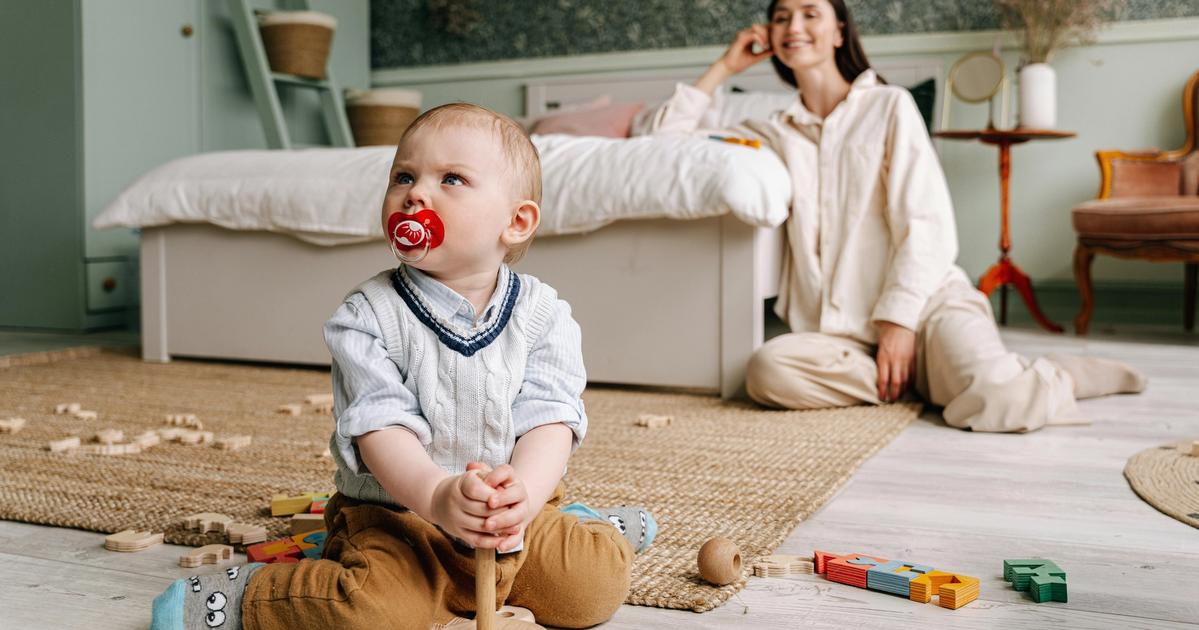
The day my daughter started clinging to my leg at nursery drop-off, screaming, was the day I was convinced I had broken her. She had been cheerfully waving goodbye for eight straight months. Then overnight, she was inconsolable. I left the carpark crying most days of that week.
What I wish someone had told me then, and what I want to tell you now, is this. That week was not a setback. It was a milestone. A massive one. And there are three more peaks like it still to come, which means you can plan for them instead of being ambushed.
Why separation anxiety is a good sign
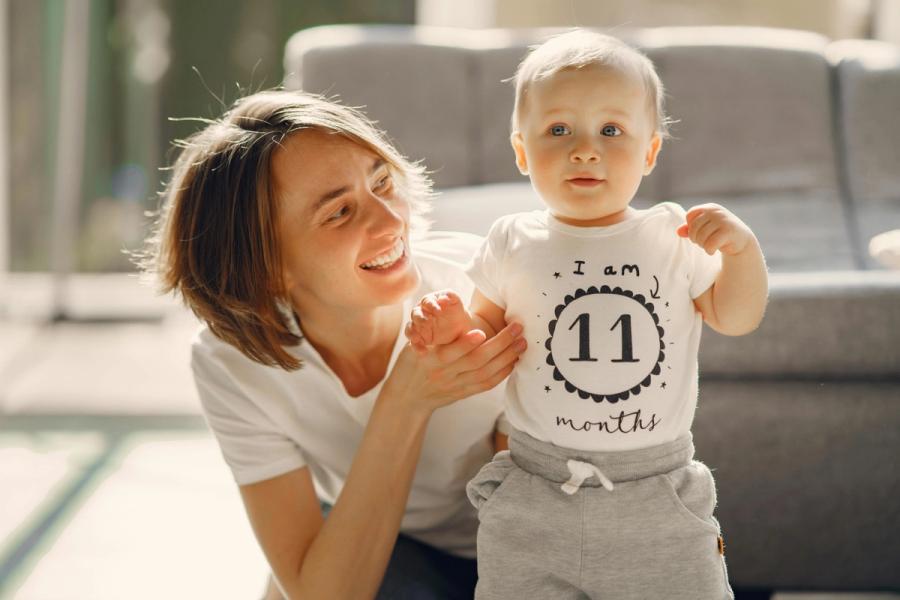
Developmental psychologists treat the emergence of separation anxiety as evidence of a critical cognitive leap: object permanence. Your baby has finally understood that you continue to exist even when you are not in sight. Which means they also understand you can leave, and not come back.
That is a terrifying realisation for a small person whose survival depends on you. Their protest is not a character flaw. It is biologically wired attachment behaviour, and it is exactly what evolutionary psychologists would predict at this stage. A baby who had no preference for their caregiver would be in much more trouble than one who cries when you leave.
The research is consistent. Secure attachment, which separation anxiety is a behavioural expression of, is one of the strongest predictors of later emotional regulation, relationship quality, and mental health in childhood and adulthood.
Separation anxiety is not a disorder unless it is severe, persistent past developmental norms, or significantly interferes with functioning. In typical development, it is a sign that a child is deeply attached and understands object permanence.
Framework based on established developmental psychology literature (Bowlby, Ainsworth, and contemporary attachment research)
The four predictable age peaks
Separation anxiety does not happen once. It comes in waves, each tied to a developmental leap. If you know the peaks, you can plan around them, protect the child from unnecessary stress, and stop wondering what you did wrong.
Peak 1: 8 to 12 months
The first appearance
Peak 2: 14 to 18 months
The walking and language peak
Peak 3: 2 to 3 years
The autonomy paradox
Peak 4: 4 to 6 years
The school transition peak
What actually helps (5 strategies)
Create one ritual you repeat every single time. Two kisses, one hug, "I love you, I'll be back after snack time." Same words. Same actions. Predictability regulates a stressed nervous system. Drawing it out or sneaking off both make it worse. The ritual is short and final.
"I'll be back after lunch" means nothing. "I'll be back after you do outdoor play, snack, and nap, and then I'll be at the door" gives them a sequence they can follow. Anchor your return to concrete events in their day, not the clock.
"I'm going to the bathroom, I'll be right back." Then return on time. Build the muscle that you always come back through low-stakes daily practice. This matters most for babies and younger toddlers. You are literally training their brain through repetition.
A small item of yours they can hold. A photo on a keyring. A drawing. Something physical that represents you. For older toddlers and preschoolers, this is often the single most effective tool. It does not replace you, but it bridges the gap.
Once you've said goodbye, leave quickly and confidently. The longer you linger, the longer the distress lasts. Most children settle within minutes of the parent leaving. Checking in with the nursery later often reveals they were fine by the time you got to the car.
What makes it worse (be careful)
Some common instincts genuinely make things worse. Watch for these.
Sneaking out without saying goodbye. Feels kinder in the moment, creates much worse anxiety long-term. The child cannot trust you are present, so they cannot relax at any time. Always say goodbye, even if it triggers tears.
Long, emotional goodbyes. Extending the goodbye extends the distress. A tearful 10-minute farewell with repeated hugs signals to your child that something is actually wrong. Keep it short, confident, warm.
Punishing the anxiety. "Stop crying, you're being a big girl" shames something that is developmentally appropriate. Acknowledge the feeling without reinforcing the behaviour. "I know it's hard. I'll be back."
Avoiding separations entirely. Tempting, but counterproductive. Children learn they can survive separations by surviving separations. Avoidance makes the next one harder, not easier.
When to see a professional: If separation anxiety is persistent past developmental peaks, causing your child to refuse school for weeks, producing physical symptoms (persistent stomach aches, headaches) with no medical cause, or if your child is over 6 and still severely distressed by every separation, it is worth talking to a paediatrician or child psychologist. Separation Anxiety Disorder is a real diagnosis separate from typical developmental separation anxiety.
Frequently asked questions
How long does each peak typically last?
Most developmental peaks resolve within 2 to 6 weeks if you respond consistently. The 8 month peak often lasts longer because it's the first and the child has no prior experience of you returning. Later peaks tend to be shorter because the child has history to draw on.
My child used to love nursery and now cries every morning. Did something happen there?
Probably not. A sudden emergence of drop-off crying in a child who was previously happy is much more likely to be a developmental peak than a specific incident. That said, always check with the nursery if you are worried, and trust your instincts. If your gut says something is off, investigate.
Is it okay if they cry when I leave?
Yes. Crying is how small children process big feelings. It does not harm them to cry at a goodbye, especially when they are in the care of a trusted adult who will help them regulate. What matters is that the distress resolves within a reasonable time after you leave, not that it never happens.
Should I return if I hear them crying after I leave?
No. Returning reinforces that crying brings you back, which extends the pattern. Let the nursery or carer help them settle. If there is a real concern, the nursery will call you. Trust the system.
The long view
Every peak passes. The 8 month cling gives way to the happy 15 month toddler waving goodbye. That toddler turns into the 3 year old who panics again, and then the confident 4 year old. Then school starts and it all happens once more, a little differently.
What you are building through each of these peaks is something durable. Your child learns, over and over, that you leave and you come back. That their feelings are real. That you are trustworthy. This is the foundation of secure attachment, and it is being built in precisely the moments that feel hardest.
Which peak is your family in right now? Name it in the comments. Knowing where you are helps.
Read next
Community Discussion
Join 0 parents sharing their thoughts
Loading conversation...
Save this article for later?
We'll send a beautiful copy straight to your inbox so you never lose it.

Avery Hayes
Mom Of Two
Avery Hayes is a mother of two and a parenting writer passionate about helping families through honest, relatable content.
Related Articles
School Refusal Has Doubled Since the Pandemic. Here's Why Punishment Is the Worst Thing You Can Do.
Before the pandemic, 14% of children were at high risk of school avoidance. By the 2021-22 school year, that figure had jumped to 22%, and severe school refusal has more than tripled. 80% of cases are anxiety-driven.
35 States Banned Phones in Schools. After One Full Year, the Data Is in. Here's What It Says.
35 US states and Washington D.C. have now signed laws or policies restricting student phone use in K-12 classrooms. The 2024-2025 school year was the first with most of those laws in effect. The early data is mixed, surprising, and clearer than anyone expected.
TikTok Calls It the "Nap Trap." Infant Sleep Researchers Quietly Call It "Biology."
The "nap trap" shaming is one of the quieter cruelties of modern new-motherhood content. The research says contact naps are completely developmentally normal, do not create bad sleep habits, and are not a trap at all.