You Don't Have to Be the Fun Parent. The Research Says Being the Present Parent Matters More.
Modern parenting culture has sold us the idea that we must constantly entertain, elevate, and stimulate our children to be good parents. The research says the opposite. Here is what children actually need, why presence beats performance, and how to stop performing.

Avery Hayes
Mom Of Two
April 20, 2026 · 11 min read
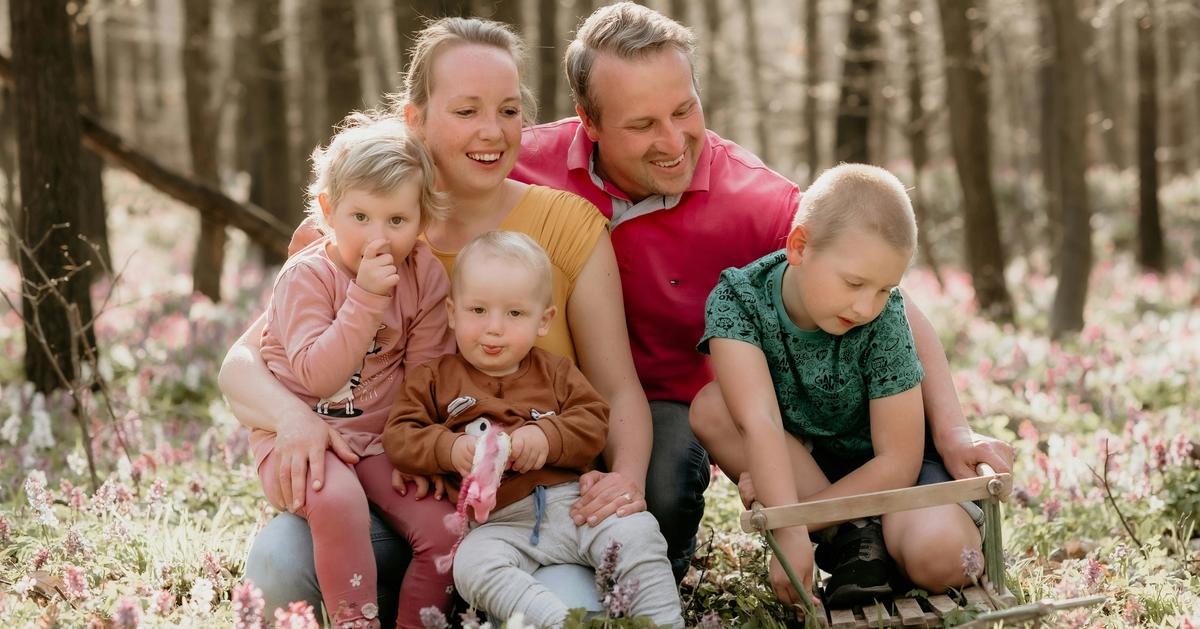
Last Saturday I organised a whole morning of activities. A themed breakfast. A craft station. A nature walk. A baking project. By 11am, I was exhausted and irritable, the kitchen was destroyed, and both children were crying. My 4 year old said she wanted to watch TV and my 7 year old said I was being "loud." I felt furious and deeply sorry for myself. Then I sat down on the kitchen floor and cried a little.
Here is what I realised later. I had spent the whole morning performing a version of motherhood. Not being a mother. Performing one. For an invisible audience that did not exist. My children did not want a themed breakfast. They wanted me to sit down and listen to them tell me, again, about the complicated lives of their stuffed animals.
Modern parenting has developed a strange disease. The more we see of other parents online, the more we believe parenting is about producing experiences for our children. It isn't. The research is unambiguous on what children actually need, and it is much, much smaller than what we are trying to deliver.
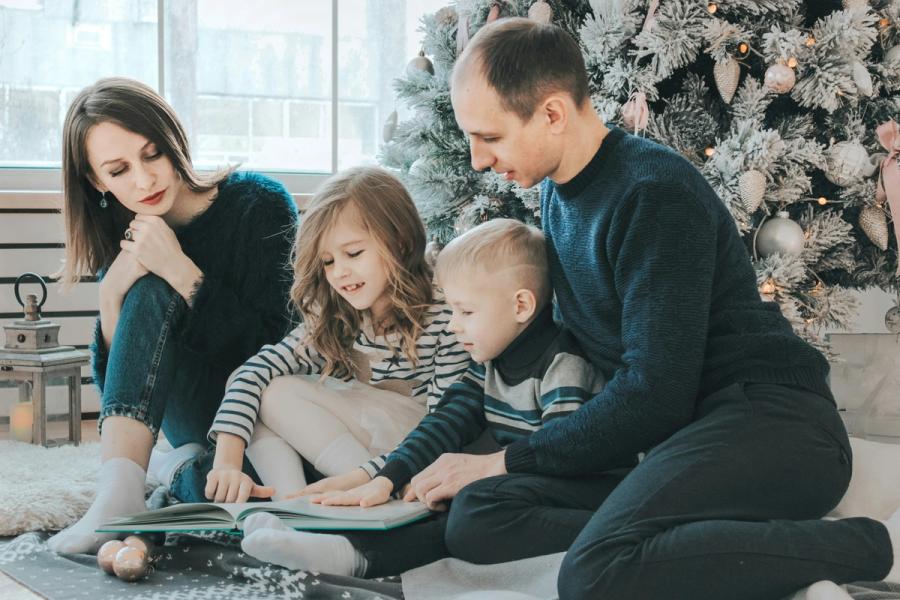
The parenting performance trap
Sociologists Sharon Hays and Charlotte Faircloth have documented what they call the rise of "intensive parenting" over the past thirty years. The expectation that good mothers must be constantly emotionally attuned, developmentally stimulating, educationally enriching, and physically available, at all times, for the duration of childhood.
Hays showed that intensive parenting is not a natural way of raising children. It is a cultural invention of the late 20th century. Faircloth and her colleagues have traced how social media has intensified it further. Now we perform parenting for each other, not just for our children.
Norms for intensive parenting contribute to making the task of parenting increasingly demanding, for mothers in particular. The intensification of parenthood is one of the key drivers of maternal stress in high-income countries.
Based on research by Hays, Faircloth, and the 2025 Norwegian study on maternal stress and domestic labor
Here is the cruel twist. This performance parenting does not actually benefit children more. It often benefits them less. Because a mother who is stressed, depleted, and performing cannot simultaneously be fully present. And what the research consistently identifies as the most important variable is not stimulation. It is presence.
Fun parent vs present parent
These are not opposite ends of a spectrum. You can do both. The problem is when "fun parent" performance crowds out "present parent" substance. And for most of us, it does.
What actually matters, according to research
Decades of attachment research, from Bowlby and Ainsworth onwards, converge on the same finding. Children need attuned, predictable, warm caregivers. That is the mechanism by which secure attachment is built. Not activities. Not stimulation. Attunement.
Attunement means your child feels seen, heard, and understood by you on a regular basis. The psychologist Ed Tronick's "still face" experiments demonstrate how much infants notice and distress when their caregiver becomes emotionally absent, even while physically present. A parent who is performing fun while mentally elsewhere can be as emotionally absent as one who is not there at all.
Related research on what developmental psychologists call "conversational turns" (the back and forth exchange between parent and child) has found that these are among the strongest predictors of later language development, emotional regulation, and even academic outcomes. A Pinterest craft you sweat over for an hour has less developmental value than thirty minutes of you actually listening while they talk about their day.
The counterintuitive finding: Children rated their parents as more loving, not less, when the parents stopped organising elaborate activities and simply spent focused attention with them. Performance of care is not the same thing as care. Children can tell the difference. Long before we can.
The 15-minute presence practice
Here is the practice that changed my household. It is based on child psychologist Virginia Axline's work on "special time" and has been refined by therapists for decades. The principles are simple. The practice is hard. The results are startling.
Fifteen minutes. Not an hour. Not a whole day. Fifteen minutes where you are fully available. Same time each day if possible. The consistency is more important than the duration.
Completely their choice. Even if it is boring to you. Even if it is a game you have played a thousand times. Even if it is watching them line up toy cars in silence. The activity is not the point. The attention is.
Not on silent. Not face down. In another room. The research on phone presence is clear. A phone in your pocket measurably reduces the quality of attention you give, even when it is not in use.
"You're putting the blue block on top. Now you're looking at me. You're smiling." Describe what they are doing without directing or correcting. This sounds weird and feels weird. It works. It signals total attention in a way children viscerally feel.
When the 15 minutes end, name it. "Special time is over for today. Thank you for playing with me. We will do this again tomorrow." Hold the ending. This teaches children that consistent presence is a repeatable thing they can rely on.
Frequently asked questions
What if I have multiple kids? 15 minutes each is a lot.
Stagger it. Each child gets their 15 minutes at a different time, either on alternating days or at different points in the day. The daily consistency matters more than same-day delivery. Some families have one child get it in the morning and another at bedtime.
Does this replace all the fun activities? Are birthdays bad?
Of course not. The post is about the daily default pattern, not celebrations. Do the birthday party. Do the occasional themed morning. What matters is whether the everyday rhythm of your household is about performance or presence. Special occasions are a different conversation.
I'm exhausted. I can't be fully present.
15 minutes is a much lower bar than being fully present all day. If you are exhausted, the answer is not to perform fun on top of the exhaustion. It is to lower the bar from "Pinterest parent" to "15 minutes of focused presence" and then let yourself rest the rest of the time. Presence for 15 minutes, realistic limits the rest. Actually more sustainable.
My kid doesn't want to play. They just want screens.
Start smaller. Five minutes of focused attention during something they are already doing. Ask about the thing they are watching. Sit next to them and actually engage. Presence is not always about playing on the floor. It is about being mentally fully with them. Build from there.
The kitchen floor moment
After I sat on the kitchen floor that Saturday, I wiped my face and called both kids. We abandoned the whole morning plan. I sat on the sofa. My 4 year old climbed on me. My 7 year old told me about the restaurant that her stuffed animals were opening. We stayed there for about an hour, doing essentially nothing.
It was the best hour of the weekend.
You do not have to be the fun parent. You have to be present enough that your children feel you. That is both less and more than what you think it is.
What is one thing you can stop performing this week? Tell me in the comments.
Read next
Community Discussion
Join 0 parents sharing their thoughts
Loading conversation...
Save this article for later?
We'll send a beautiful copy straight to your inbox so you never lose it.

Avery Hayes
Mom Of Two
Avery Hayes is a mother of two and a parenting writer passionate about helping families through honest, relatable content.
Related Articles
Gentle Parenting Is Quietly Dying and Gen Z Mums Are Replacing It With Something Far More Honest.
After years of being the dominant parenting philosophy, gentle parenting is collapsing under its own weight. Burnout, boundary confusion, viral parent meltdowns, and a growing research consensus are reshaping how a new wave of mothers are raising their kids. Here is what they are doing instead.
The "Almond Mom" Trend Going Viral Is Exposing How Many of Us Were Quietly Raised on Food Fear.
The "almond mom" archetype has blown up on TikTok, spawning counter-trends like "butter mom" and "gummy bear mom." What started as a joke is uncovering something painful.
The Tradwife Parenting Trend Looks Wholesome — But Its Message Is Much Darker
Homemade sourdough. Prairie dresses. Seven children homeschooled on a farm. The tradwife aesthetic has exploded on TikTok and Instagram, targeting tired modern mothers. Here is what the lifestyle is actually selling, who it is marketed to, and why you are right to feel uneasy about it.