The Tradwife Parenting Trend Looks Wholesome — But Its Message Is Much Darker
Homemade sourdough. Prairie dresses. Seven children homeschooled on a farm. The tradwife aesthetic has exploded on TikTok and Instagram, targeting tired modern mothers. Here is what the lifestyle is actually selling, who it is marketed to, and why you are right to feel uneasy about it.

Avery Hayes
Mom Of Two
April 24, 2026 · 12 min read
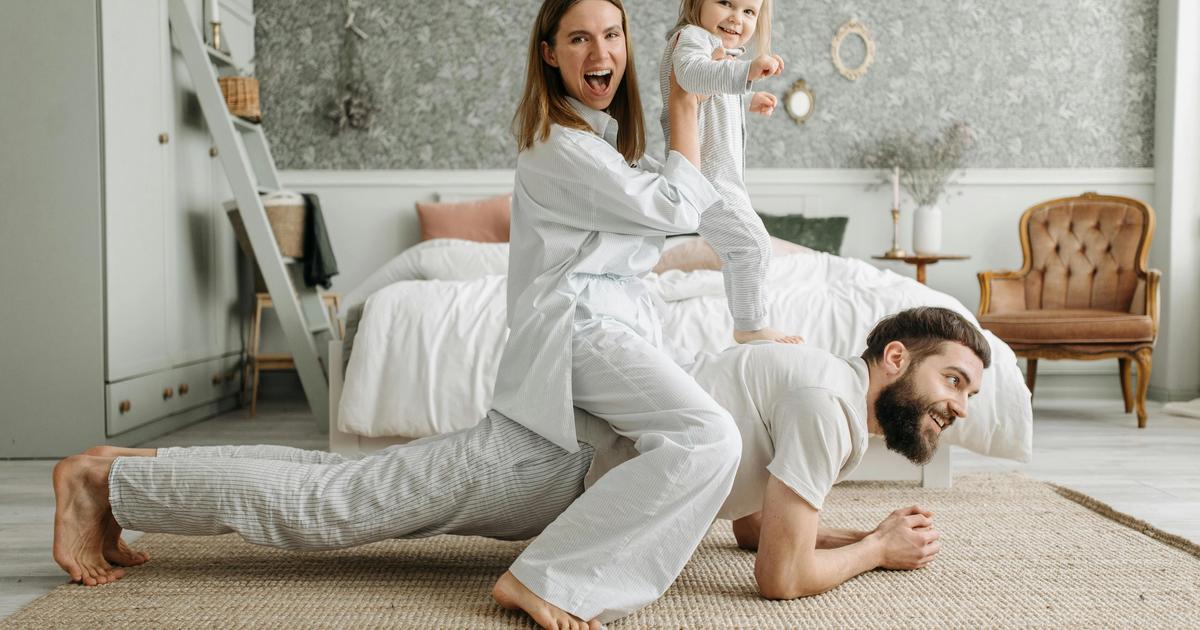
A few months ago, a friend sent me a TikTok. A young woman in a linen dress was making bread from scratch while her three children played in a field behind her. The caption said something like "leaving the corporate world to raise my children was the best decision I ever made." The comments were thousands of exhausted mothers saying "I wish I could do this" and "this is the life I dream about."
The video had 4 million views. My friend, who has a demanding job and a toddler, wrote: "Is she on to something?"
I watched the video three times. Then I went down the tradwife rabbit hole for three hours. Then I wrote this post, because what I found was genuinely not what the aesthetic is selling. And I think a lot of tired mothers are seeing this content at exactly the moment they are least able to examine it critically.
What "tradwife" actually means
"Tradwife" is short for "traditional wife." The movement, which accelerated on TikTok and Instagram from around 2020 onwards, promotes a specific vision of womanhood: a woman who stays home, submits to her husband as the household head, has many children (usually homeschooled), cooks from scratch, grows food, dresses modestly, and rejects feminism in favour of "traditional" gender roles.
The aesthetic is beautiful. Warm light. Linen. Sourdough. Children in wildflower meadows. Slower living. And parts of it, genuinely, speak to real longings modern mothers have. For less hurry. For more meaning. For a life that does not feel like a performance.
What is often left out of the videos is the ideology. Because the aesthetic is the bait. The ideology is what is being delivered underneath it. And the ideology is not a return to a gentler past. It is a specific political, religious, and economic project, and knowing what it is helps you decide how much of the aesthetic you actually want to take in.
The 4 layers of what the aesthetic is selling
At the surface, tradwife content appeals to things many modern mothers genuinely want. Slower mornings. Real food. Less screen time. More time outside. A sense that the family is the centre of meaning, not an afterthought around work. These desires are real. They are not wrong. This is why the aesthetic works. It is built on something true.
Most top tradwife influencers earn six or seven figures from monetising their lifestyle content. As a 2024 Sunday Times investigation into Hannah Neeleman of Ballerina Farm showed, the "I left the corporate world" narrative is almost always misleading. The woman making bread for TikTok is running a media business. Her husband is often not the sole earner. The film crew, the lighting, the editors, the brand deals, the cookbook, the course, the merch. It is a full career. Just not the one being marketed.
A significant portion of tradwife content is explicitly or implicitly tied to political and religious movements that promote female submission, rejection of women working outside the home, opposition to reproductive rights, and homeschooling as a form of ideological control over children's education. This is not hidden if you look for it. It is in the vocabulary, the book recommendations, the husbands' social media, and the community chatter. The aesthetic is a recruitment funnel.
For the non-famous woman who tries to actually live this life (stay home, defer to husband financially, have many children, not earn), the economic position is extremely precarious. Divorce, widowhood, illness, or a husband's job loss can push a family dependent on a single income into crisis within months. The financial structure works for the influencer selling the lifestyle. It works much less well for her audience.
The tradwife content feels wholesome because it's selling you back the slower childhood you wish you had. What it is quietly also selling is female economic dependence, political conservatism, and a specific religious worldview. Understanding the full package is the only way to decide which parts, if any, actually speak to you. Summary of analysis by the Anti-Defamation League and other researchers tracking the tradwife movement on social media and in academic media studies
Why it is pulling so hard on tired modern mums
The tradwife movement did not succeed by accident. It succeeded because modern motherhood, for many women, is genuinely unsustainable. Mothers are carrying more invisible labour than at any point in recent history. Working from home has collapsed the boundary between paid work and family life. The culture of intensive parenting has ratcheted up what "good mothering" demands. Childcare is expensive or unavailable. Partners often do not carry their share.
Into this, the tradwife content arrives, saying: drop all of this. Come here. It will be soft and simple and your children will run through meadows.
The appeal is not that modern mothers are stupid or politically naive. It is that the content is speaking to a real crisis, even if the solution it is offering would, for most women, make things worse.
If you have found yourself drawn to this content, you are not wrong about the crisis. You are right about it. The only question is whether the tradwife solution is actually a solution, or a more expensive version of the same problem dressed in linen.
The financial piece is the one to sit with: If you are seriously considering reorganising your life around tradwife principles, talk to a financial advisor first. Not to talk you out of it. To genuinely understand what would happen to you and your children if your marriage ended, your husband lost his job, or you were widowed. The women selling this lifestyle on Instagram typically have independent earnings. Most of their followers do not.
What I think we actually want (that is not this)
Here is the honest version. What modern mothers are exhausted by is real. The tradwife answer (submit to your husband, stay home, have many children, reject feminism) is mostly a political project dressed as a lifestyle. But under the surface, there are four things tradwife content is tapping into that we can actually take seriously, without the ideology.
Less hurried family life. You can absolutely slow your family life down. You do not need a farm. You need a calendar with less on it, a few clear rituals, and protected slow weekends. That is free and available to almost everyone.
More home cooking. You can absolutely cook more at home. You do not need to grind your own wheat. You need a meal system that works . Home cooking is meaningful. Homesteading is a hobby.
Less screen time for kids. You can absolutely reduce screens. You do not need to homeschool in a sunflower field. You need clear family rules, which the research strongly supports for kids' development
More meaning in motherhood. You can find deep meaning in raising children. You do not need to abandon your career, your financial independence, or your autonomy to do it. Meaning and autonomy are not opposites. They can live together.
You can take every genuine longing the tradwife aesthetic is tapping into, and you can meet it, without giving up who you are, what you have built, or the financial security of your children.
Frequently asked questions
Is every tradwife content creator political?
No. There is a spectrum. Some creators simply post homesteading and home-cooking content with no explicit ideology. Others are overtly tied to religious or political movements. The aesthetic itself is becoming hard to separate from the movement, but individual creators vary. The question is not whether you can like any of the content. It is whether you know what any specific creator is actually selling, before you follow them.
I stay home with my kids. Am I a tradwife?
No. Being a stay-at-home parent is not a tradwife identity. It is a legitimate, common, and valuable choice that millions of mothers (and fathers) make for many different reasons. Tradwife is a specific political and ideological framing of that choice, tied to explicit views about women's submission, gender roles, and often religion. They are completely separate things.
Why does feminism get attacked in this content?
Because the entire framing requires that the "traditional" life be positioned against something. That something is feminism, which tradwife content typically blames for women being exhausted, dissatisfied, and "disconnected from their natural role." This is a political argument, not a neutral observation. Feminism fought for women's legal right to own property, work, vote, leave violent marriages, and control their own fertility. Those are not the reasons you are tired.
What about just the cottagecore aesthetic? Is that also bad?
Cottagecore (the gentle aesthetic of flowers, cottages, handmade things) is different from tradwife and predates it. It is mostly a visual trend rooted in escapist fantasy, and has no explicit political project attached. You can absolutely enjoy cottagecore without it being tradwife. The two overlap aesthetically but are not the same movement.
I still like the aesthetic. Is that bad?
Liking pretty videos of bread being made is not a moral failing. The question is what you do with the appeal. If tradwife content is making you feel inadequate in your real life, unfollow. If it is helping you articulate what you actually want (more slowness, more home cooking), take the idea and leave the ideology. You get to decide what you take from it.
The honest version
Modern motherhood is hard because the structures around mothers have collapsed. Not because feminism ruined it. Not because women forgot how to bake. Because childcare is expensive, workplaces are hostile to parents, men are not carrying their share, and the village that used to support new mothers has disappeared.
The tradwife aesthetic is selling a fantasy solution to a real problem. You can use the fantasy to help you see what you want. But do not trade your financial independence, your autonomy, and your children's long-term security for a prairie dress and a sourdough starter.
You are allowed to want softer. You are not required to give up anything real to get it.
Has tradwife content been in your algorithm lately? What part of it actually speaks to you? Tell me in the comments.
Community Discussion
Join 0 parents sharing their thoughts
Loading conversation...
Save this article for later?
We'll send a beautiful copy straight to your inbox so you never lose it.

Avery Hayes
Mom Of Two
Avery Hayes is a mother of two and a parenting writer passionate about helping families through honest, relatable content.
Related Articles
Gentle Parenting Is Quietly Dying and Gen Z Mums Are Replacing It With Something Far More Honest.
After years of being the dominant parenting philosophy, gentle parenting is collapsing under its own weight. Burnout, boundary confusion, viral parent meltdowns, and a growing research consensus are reshaping how a new wave of mothers are raising their kids. Here is what they are doing instead.
The "Almond Mom" Trend Going Viral Is Exposing How Many of Us Were Quietly Raised on Food Fear.
The "almond mom" archetype has blown up on TikTok, spawning counter-trends like "butter mom" and "gummy bear mom." What started as a joke is uncovering something painful.
Nobody Warned Me That the First Year Would Break Me in 12 Specific Ways. Here's the Full List.
The cards in hospital say "congratulations." Nobody sends a card that says "the person you were is about to die and the person you are becoming will take a year to arrive." Here are the twelve specific truths I wish someone had told me before the baby came.