Childhood Anxiety Has Doubled Since 2019, and Child Psychologists Share What Actually Helps
1 in 5 children now shows clinical anxiety symptoms. The instinct to reassure, protect, and soothe often makes it worse. Here is what child psychologists actually recommend, the approach called "SPACE" that has changed the field, and the phrases that help versus hurt.

Avery Hayes
Mom Of Two
April 19, 2026 · 13 min read
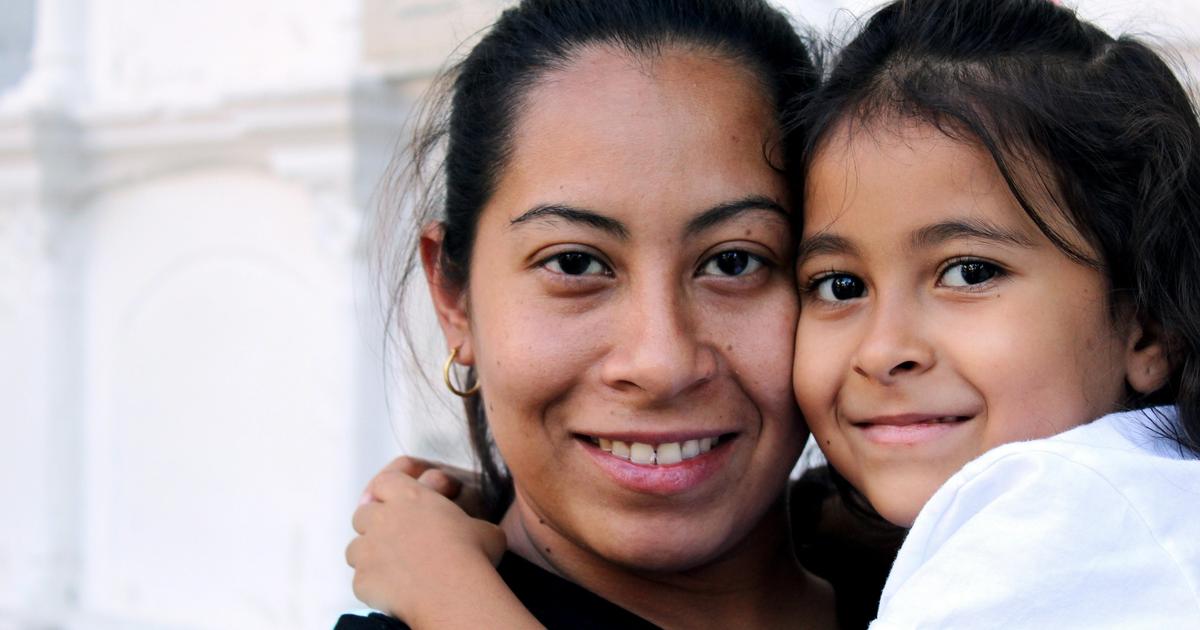
My 6 year old went through a phase of not wanting to go upstairs alone. Then not wanting to sleep without me. Then not wanting to go into a room where the door was closed. Each stage seemed to grow out of the last, and every reassurance I gave her seemed to make her need more reassurance the next day.
I was doing the parenting I had been taught. Comfort. Reassure. Protect. Make it okay. Except I was not making it okay. I was quietly, kindly, making it worse. And I had no idea until I read the research on childhood anxiety and realised almost everything I was doing was reinforcing the very thing I was trying to relieve.
Why reassurance makes it worse
Here is the part that surprises every parent I tell. Reassurance, given repeatedly, is one of the most documented mechanisms by which childhood anxiety grows rather than shrinks. This is not intuitive. It goes against every parenting instinct. But the clinical evidence is consistent.
Dr. Eli Lebowitz, director of the Yale Child Study Center's Program for Anxiety Disorders, has spent years studying how family responses shape childhood anxiety. His research identifies something called "family accommodation." When parents consistently modify family life to accommodate a child's anxiety (letting them sleep in your bed, avoiding the thing they are afraid of, answering the same worried question over and over), the anxiety grows rather than shrinks.
The child's brain learns: the feeling of anxiety gets relieved by the parent's reassurance. So the brain produces more anxiety, because it works. The pattern is not the parent's fault. It is the deeply loving response that nearly every parent makes. It just turns out to make anxiety worse over time.
Why reassurance makes it worse
Here is the part that surprises every parent I tell. Reassurance, given repeatedly, is one of the most documented mechanisms by which childhood anxiety grows rather than shrinks. This is not intuitive. It goes against every parenting instinct. But the clinical evidence is consistent.
Dr. Eli Lebowitz, director of the Yale Child Study Center's Program for Anxiety Disorders, has spent years studying how family responses shape childhood anxiety. His research identifies something called "family accommodation." When parents consistently modify family life to accommodate a child's anxiety (letting them sleep in your bed, avoiding the thing they are afraid of, answering the same worried question over and over), the anxiety grows rather than shrinks.
The child's brain learns: the feeling of anxiety gets relieved by the parent's reassurance. So the brain produces more anxiety, because it works. The pattern is not the parent's fault. It is the deeply loving response that nearly every parent makes. It just turns out to make anxiety worse over time.
When children are anxious, parents naturally try to make the child less anxious. But accommodating the anxiety teaches the child that they cannot cope without the parent's intervention, and the anxiety tends to grow.
Dr. Eli Lebowitz, Director of the Yale Child Study Center's Anxiety Program, developer of the SPACE approach
The SPACE approach (what actually works)
SPACE stands for Supportive Parenting for Anxious Childhood Emotions. It is a parent-based treatment for childhood anxiety developed at Yale, and it has become one of the most evidence-backed approaches in the field. Critically, the child does not have to do the treatment. The parent does.
The core idea is that you stop accommodating the anxiety while simultaneously increasing your expression of confidence in the child's ability to cope. Both parts matter. Remove accommodation without the confidence, and you have cruelty. Add confidence without removing accommodation, and you have lip service.
1. Identify what you are accommodating
Make a list of every family accommodation you currently make for the anxiety. Sleeping with them. Answering the same question repeatedly. Avoiding certain places. Not leaving them alone. Being in the bathroom with them. These are all data. Most parents are shocked by how long their list is.
2. Pick ONE accommodation to reduce, not all
Do not try to change everything at once. Pick one. For my daughter, we started with the repeated question-asking. Every other accommodation stayed in place for now. Small, sustainable change is what works.
3. Tell your child in advance, not in the moment
Calmly, ideally not at a stressful time. "I have noticed you ask about pickup time a lot, and I can tell your body is feeling worried about it. I love you and I know you can handle this. Starting tomorrow, I will tell you pickup time once in the morning, and that is the plan for the day. I will not answer the question again during the day. This is because I know you can do this."
4. Hold the boundary with warmth, not coldness
When they ask the question anyway (and they will), you respond with the pre-agreed phrase. Something like: "I love you. I already told you this morning. You can handle this." Not angry. Not cold. Warm and steady. This is the hardest part. Your child may escalate in protest. This is the anxiety trying to re-establish the accommodation. Hold steady.
5. Add explicit confidence
Regularly, not just in anxious moments, express your confidence in their ability to handle hard things. "I saw you were worried this morning and you went anyway. That was brave." "I know you can handle this, because I have seen you do hard things before." The research on this is clear. Children believe what their parents believe about them.
Scripts: what to say and what to avoid
"There is nothing to be scared of."
"Don't worry about it."
"I promise nothing bad will happen."
"You are fine. Stop worrying."
"Do you want me to stay with you?" (when they have not asked)
"It won't happen, I promise."
"I can see your body feels worried. That is a hard feeling."
"Worry is a normal feeling. It will pass."
"I know you can handle this, because I have seen you do it before."
"What does the worry tell you? What do you know?"
"You are safe. I love you. You can do this."
"I believe in you. This is hard and you can do hard things.
The pattern is clear. Dismissive language ("there is nothing to be scared of") invalidates real feelings without helping. Over-reassuring language ("I promise nothing bad will happen") creates a dependency on the parent's guarantee. What works is language that acknowledges the feeling, names it as survivable, and expresses confidence in the child's capacity.
When to get professional help
Seek professional support if: anxiety is significantly impairing daily life (missing school, unable to sleep most nights, unable to go to activities they used to enjoy), has persisted for more than 2 to 3 months without improvement, is accompanied by physical symptoms that affect eating or weight, or includes any talk of self-harm. Paediatricians can make referrals. A child psychologist trained in CBT or SPACE is specifically what to look for.
Getting professional help is not a failure. It is not an indictment of your parenting. Childhood anxiety responds well to evidence-based treatment, and the earlier you intervene, the shorter the course tends to be. A few months of work with a good child psychologist can resolve something that, left alone, can extend through adolescence.
Frequently asked questions
Is some anxiety normal? How do I know when it is clinical?
Absolutely some anxiety is normal and even protective. The question is whether it is impairing your child's functioning. A child who worries occasionally about a test but still goes to school is normal. A child who cannot sleep the night before every test for weeks is showing clinical-level impairment. Look at the degree of interference, not the presence of worry itself.
Why has childhood anxiety risen so sharply?
Contributing factors identified in the research include the effects of COVID-era school disruption, increased screen time and social media (particularly for older children), the mental health effects of the same factors on parents, reduced independent play and outdoor time, and a culture of intensive parenting that may be reducing children's opportunity to build resilience. It is almost certainly multi-causal.
My partner and I disagree on how to handle it. What do we do?
SPACE specifically addresses this. The protocol requires both parents (or caregivers) to be aligned on what accommodations to reduce and how. If one parent continues accommodating while the other does not, the child's anxiety learns to target the accommodating parent. Alignment between caregivers is a precondition for the approach to work. A family therapist can help if you cannot get there alone.
Won't reducing accommodations feel cruel?
It can feel that way at first. The critical thing is the warmth. You are not withdrawing love or support. You are changing one specific behaviour while expressing more love, more confidence, and more steady presence than before. If it feels cruel, check whether you have removed warmth along with the accommodation. The two must go together.
Does medication have a role?
For some children with severe anxiety, medication (usually SSRIs) can be part of the treatment, prescribed by a paediatric psychiatrist. This is typically considered when therapy alone is insufficient. It is not a first resort, and it is not a failure if it becomes part of the picture. This decision should always be made with a qualified specialist who knows your child.
The permission to step back
When my daughter went through her anxiety phase, what helped most was not any specific script. It was the internal shift from "I must make my child feel better" to "I must help my child trust that she can handle feeling bad sometimes." These are completely different projects. The first exhausts both of you. The second builds something durable.
Your child can handle uncomfortable feelings. They need you to believe it. That belief, radiated calmly, is worth more than any reassurance you could offer.
What's the accommodation you might be making without realising? Tell me in the comments.
Read next
Community Discussion
Join 0 parents sharing their thoughts
Loading conversation...
Save this article for later?
We'll send a beautiful copy straight to your inbox so you never lose it.

Avery Hayes
Mom Of Two
Avery Hayes is a mother of two and a parenting writer passionate about helping families through honest, relatable content.
Related Articles
School Refusal Has Doubled Since the Pandemic. Here's Why Punishment Is the Worst Thing You Can Do.
Before the pandemic, 14% of children were at high risk of school avoidance. By the 2021-22 school year, that figure had jumped to 22%, and severe school refusal has more than tripled. 80% of cases are anxiety-driven.
35 States Banned Phones in Schools. After One Full Year, the Data Is in. Here's What It Says.
35 US states and Washington D.C. have now signed laws or policies restricting student phone use in K-12 classrooms. The 2024-2025 school year was the first with most of those laws in effect. The early data is mixed, surprising, and clearer than anyone expected.
TikTok Calls It the "Nap Trap." Infant Sleep Researchers Quietly Call It "Biology."
The "nap trap" shaming is one of the quieter cruelties of modern new-motherhood content. The research says contact naps are completely developmentally normal, do not create bad sleep habits, and are not a trap at all.