The Weeknight Dinner System That Ends the 5pm "What's for Dinner" Panic Forever. Really.
No colour-coded 7-day meal plans. No three-hour freezer prep Sundays. A realistic 5-meal system built for working mothers who have 20 to 30 minutes on a weeknight and a family that actually has to eat. Here is the whole framework.

Avery Hayes
Mom Of Two
April 24, 2026 · 10 min read
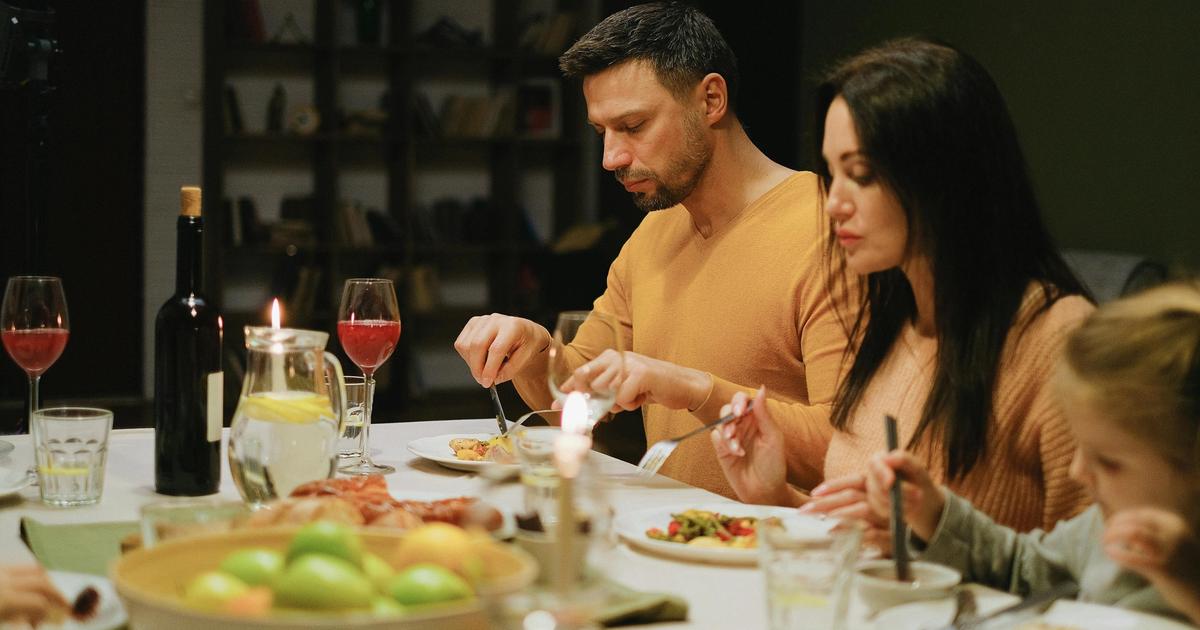
I had tried every meal planning system. The colour-coded 7-day Google Sheet. The batch-cook Sunday where I would stand in the kitchen for four hours. The meal planning app that sent me recipes I did not want. The laminated weekly dinner rota stuck to the fridge. All of them failed within three weeks. Usually in the first week.
The reason they failed, I eventually realised, was that they all required me to plan my dinners at the start of the week, then execute those exact dinners on the exact days I had scheduled. But my weeks do not work like that. Tuesday I had capacity to cook. Wednesday I did not. Thursday I had a work emergency. Friday the kids were at my mother's. The plan collapsed because it could not flex.
Then I tried something different. Instead of planning specific meals, I planned specific categories. Each weekday has a theme. The theme is flexible. The rules are predictable. And three years later, it still works.
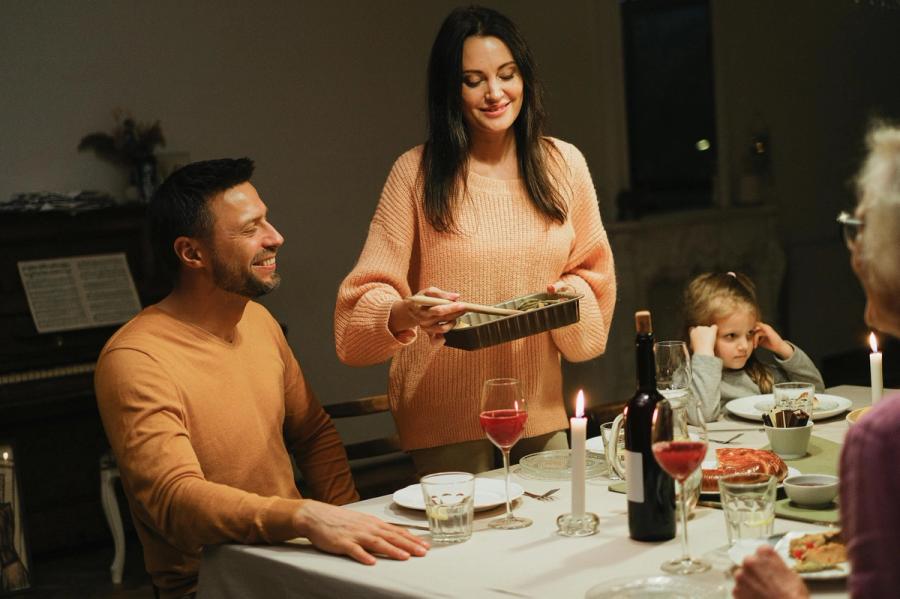
Why 7-day meal plans fail most working mums
The classic meal plan is a beautiful lie. It assumes that on Tuesday you will definitely have the energy to make lemon chicken with roasted vegetables and grain salad. It does not know that your 3 year old will have a tantrum that delays dinner by 40 minutes. It does not know you will be out of parsley. It does not know that your partner will text at 5:45 saying he is running late, which means you are solo until 7.
What you need is not a plan that will be right if every single variable cooperates. You need a system that stays standing when half the variables break. That is what this is.
The 5-theme weeknight system
Each weekday has a theme. Within that theme, you pick the actual meal based on what you have, what everyone wants, and what energy you have that day. The theme gives you structure. The theme gives you decision-fatigue relief. The theme does not tie you to a specific recipe. That is the whole trick.
Mon • Pasta
Anything over pasta counts
Examples: bolognese · pesto + peas · carbonara · tomato + tuna · mac & cheese
Tue • Sheet pan
One tray, one oven, 35 minutes
Examples: chicken thighs + potatoes + broccoli · salmon + courgettes · sausages + peppers · chickpeas + cauliflower
Wed • Breakfast for dinner
The lowest-effort day of the week
Examples: scrambled eggs + toast + beans · pancakes + fruit · omelette · bacon sandwich · fried egg rice
Thu • Grain bowl
Cooked grain + protein + vegetables + sauce
Examples: rice + prawns + broccoli + soy · couscous + chicken + cucumber + yogurt · noodles + tofu + peppers + peanut
Fri • Free for all
Pizza, takeaway, leftovers, or something fun
Examples: shop-bought pizza + salad · Friday takeaway · freezer chicken nuggets · fridge raid · fancy toast
Weekends are not in the system. The system covers Monday to Friday only. Weekends are for whatever you feel like, slower cooking, a proper roast, going out, or your partner's one cooking day. Do not over-engineer your weekends. The system is specifically for the hardest days of the week.
How to set it up this week
Mine are the 5 above. Yours can be different. Some families do "Mexican Monday, Curry Tuesday, Stir-Fry Wednesday." Some do "One-pot Monday, Salad-plus-protein Tuesday." Pick 5 that fit your kitchen, your cooking ability, and what your family actually eats. Write them down.
Pasta system means pasta, tinned tomatoes, pesto, tuna, cheese always in the house. Sheet pan means potatoes, frozen vegetables, olive oil, meat or chickpeas. Build your shopping list around the themes, not around specific recipes. Your cupboard becomes self-sufficient.
Sunday evening, spend 15 minutes thinking: "what does each theme look like this week?" Write one specific meal per day. Factor in what you already have, what is on offer at the shops, and what nights are chaos nights. No prep required. Just a list.
A single weekly food shop (online or in person) that matches your list. This is the most important operational piece. Without it, the system falls apart. With it, you never face the 5pm moment of "do we even have food."
If Tuesday is a disaster, swap it with Wednesday (breakfast for dinner). The themes move. The shape of the week stays. This flexibility is what makes the system sustainable. Rigid plans break. Flexible systems absorb reality.
Frequently asked questions
My kids are picky. Does this work?
Yes, because within each theme you can pick the version your kids will actually eat. Pasta night can be plain buttered pasta with cheese if that is what works. Sheet pan can just be chicken and potatoes for the kids and a more adventurous version for the adults. The themes flex down to picky kids without collapsing the system.
What about allergies or dietary restrictions?
The themes are category-based, not ingredient-based, so they adapt. A dairy-free family can do "pasta night" with olive-oil-based sauces. A vegetarian family can do "sheet pan" with halloumi or chickpeas. The structure holds. The ingredients flex.
Don't kids get bored of the same themes?
In my house, no. The theme is the same. The actual meal changes. Pasta Monday in our house has been about 20 different pasta meals over the year. Kids know what to expect at the category level, which actually helps with fussy eaters, but there is real variety within each theme.
What if I have no cooking confidence at all?
The system is particularly good for this. Because you are not learning 20 new recipes. You are learning the basic template for 5 categories, and repeating them with small variations. By month 2, you have basically built 5 skills. That is enough to feed a family on weeknights forever.
My partner won't engage with meal planning. Does this still work?
It can, but it works better if both adults know the system. Even if you are the primary planner, sharing the 5-theme structure means your partner can cover a night when you cannot. "It's pasta night, something with pasta" is much easier to hand off than "tonight is lemon chicken with roasted fennel." The theme makes handoff possible.
The 5pm feeling that goes away
The specific feeling this system was built to remove is the 5pm feeling. The one where you open the fridge, realise you have nothing planned, and feel the familiar drop of decision fatigue plus low blood sugar plus guilt plus low-grade resentment. That feeling is not because you are bad at meal planning. It is because you were planning with tools that did not match the reality of a working mum's week.
The themes do. Try it for two weeks. You will not go back.
What would your 5 themes be? Tell me in the comments. Happy to help you design yours.
Read next
Community Discussion
Join 0 parents sharing their thoughts
Loading conversation...
Save this article for later?
We'll send a beautiful copy straight to your inbox so you never lose it.

Avery Hayes
Mom Of Two
Avery Hayes is a mother of two and a parenting writer passionate about helping families through honest, relatable content.
Related Articles

The Family Calendar System That Ends the Sunday-Night Scramble and Keeps Two Working Parents Sane.
Shared family calendars fail in most households because the system is wrong, not the people. Here is the 20-minute weekly sync borrowed from high-functioning families that actually holds up across the week.

Why Returning From Maternity Leave Feels So Hard — and How to Survive It
The first 12 weeks back at work after maternity leave reshape you, your career, and your identity in ways no one prepares you for. The research on what protects working mothers during this transition is clear. Here is the practical 12-week framework, week by week.

Working Mothers Are Doing Two Full-Time Jobs, and One Is Completely Invisible. Here's the Data.
The "second shift" is not a metaphor. It is a measurable labor structure where working mothers continue working the moment their paid work day ends. Here is the research, the data, and the 4 specific systems that actually create breathing room.