Every Photo You Post of Your Kid Ends Up Somewhere. Sometimes It's Not Where You Expected.
The Journal of Pediatrics has documented hundreds of thousands of innocent photos of children, originally posted by loving parents, that have resurfaced on predator platforms. Here is what sharenting actually does, what the research shows, and how to still share what matters safely.

Avery Hayes
Mom Of Two
April 24, 2026 · 12 min read
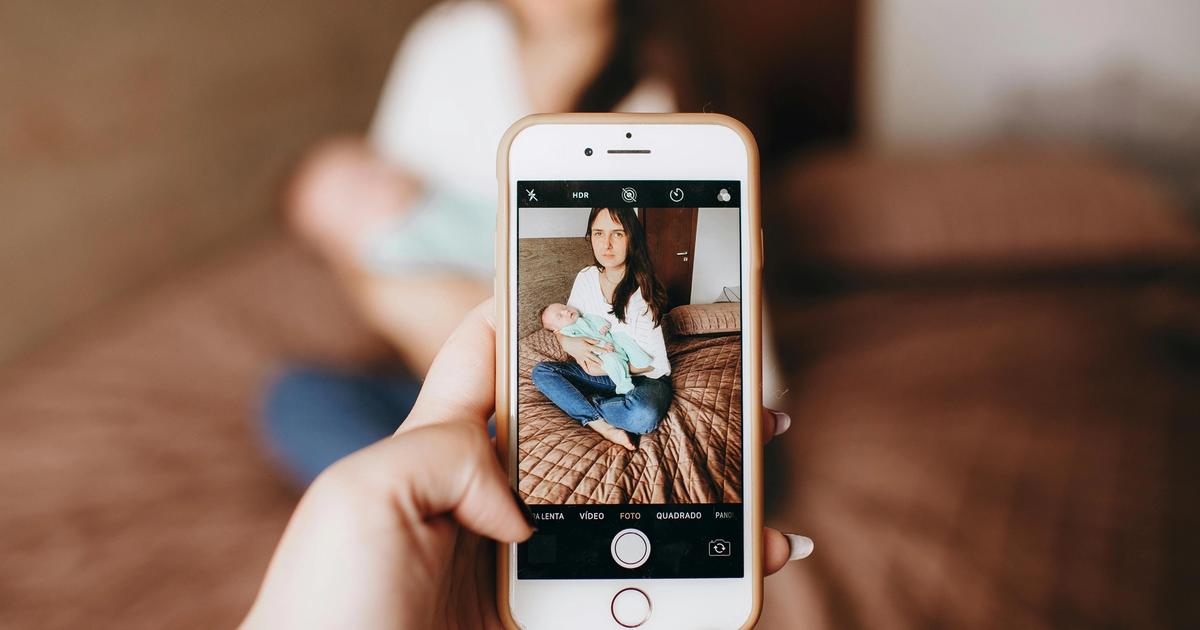
A few years ago, I posted a photo of my 4 year old in a swimming costume. She was running through a garden sprinkler. She was laughing. It was, to me, a perfect summer moment. I put it on Instagram with a caption about how quickly summer was passing. 27 people liked it. One of them was my mother. I did not think about it again.
A year later, I read a Journal of Pediatrics study on what happens to children's photos that parents post online. The researchers had documented that investigators working in online child safety were finding hundreds of thousands of innocent photos of children, originally posted by parents, had been reshared on pornographic and predator platforms, sometimes with inappropriate comments attached.
I felt sick. I went back through my Instagram and deleted every photo that showed my daughter in any stage of undress. Bath time photos. Beach photos. That sprinkler photo. All of them. I did not post another photo of my children's bodies online for months.
This is the post I wish I had read before I posted that first photo.

What sharenting actually is
The term "sharenting" was coined to describe the practice of parents sharing details about their children's lives on social media. It includes photos, videos, stories, updates, milestones, struggles, funny moments. It includes public posts and closed group posts. It includes the ultrasound you shared before the baby was born.
Most parents who engage in sharenting are doing it for loving, understandable reasons. To share joy with family. To document milestones. To stay connected with distant relatives. To find community with other parents. None of those reasons are bad.
What has changed in the last decade is the scale and the infrastructure. Research on sharenting practices found that 81% of children under 2 already have a digital footprint created by their parents, and that footprint typically starts before the child is even born (with sonograms, pregnancy announcements, and gender reveals).
1,300+The estimated number of photos, videos, and personal pieces of information about an average child that are already online by the time they turn 13, mostly posted by their own parents and extended family.
Even as children grow up, information about their childhood continues to exist, and this can cause emotional damage due to shame or embarrassment over some online content. Despite parents' initial good intentions, the negative consequences of a digital footprint can follow individuals for years after the fact.
Journal of Pediatrics, "Online Sharenting: The Dangers of Posting Sensitive Information About Children on Social Media"
The 7 risks the research has documented
This is the one that kept me up for weeks after I read about it. Child abuse investigators have documented that innocent photos of children in private contexts (bath, pool, beach, bed) posted by parents have reappeared on pornographic platforms with explicit commentary added. The parents who originally posted had no way to prevent this, and in most cases, no way to get the content removed once it had spread.
Birthdate. Full name. School. Home town. The exact information parents routinely include in birthday posts and first-day-of-school photos is also the exact information used to open fraudulent credit accounts. Children's identities are particularly attractive for fraud because the crime often goes undetected for over a decade, until the child tries to apply for their first loan or credit card as an adult.
Every photo posted directly from a phone carries metadata that often includes the exact GPS coordinates of where the photo was taken. Home address. School. Grandma's house. This metadata is not visible in the posted image but can be extracted by anyone with basic technical knowledge.
By the time a child is old enough to object to what has been posted about them, the content has been in circulation for a decade. Photos of them crying as toddlers. Potty training updates. Developmental struggles. Teenage versions of these children have reported finding humiliating content about themselves online that they had no knowledge their parents had ever posted.
Some parents go further and monetise their children through sponsored posts, influencer deals, and family vlogs. Researchers studying this phenomenon have raised growing concerns about informed consent and the long-term emotional cost to children who have been made into content before they could consent.
When children discover that their struggles, embarrassing moments, or medical details were posted publicly, the impact on their trust in their parents is real. Family therapists report a growing number of adolescents bringing up old parental posts in therapy as a source of violated trust.
Universities, employers, and potential partners can and do search online histories. Content posted by a parent about their child a decade ago may show up in a university admissions search or an employer background check. The child has no control over this footprint. The parent created it.
This is not a judgement post. Most parents, me included, have posted things we now regret. The point is not shame. The point is that the information has changed, and the evidence of risk is now clear enough that changing behaviour going forward is reasonable. Not changing it was reasonable when we did not know. It is less reasonable now.
The consent problem nobody talks about
Here is the bit that is hard to hear. Your child cannot consent to being posted online. A 2 year old cannot consent. A 7 year old cannot meaningfully consent to content that will remain searchable until they are 50. And a 13 year old who "agrees" is giving consent under social pressure, years after the pattern has been established.
This puts parents in a legally and ethically unusual position. We are the legal guardians of our children. We are also the primary threats to their digital privacy, according to every researcher working in this area. The decision to post or not to post is one only we can make, and we are making it on behalf of a person who will one day be an adult with their own opinion about it.
The principle most privacy researchers now recommend is simple. When in doubt, wait. Ask yourself whether your 15 year old child would be happy with this post being up when their friends find it. If you cannot answer yes confidently, do not post it. The opportunity to share the moment privately (by text, email, or private photo album) exists. The public post is optional.
The 6 rules for sharing photos safely
You do not have to delete every photo you have ever posted. You do not have to stop sharing entirely. What you can do is shift to a smarter default going forward.
No bath photos. No swimming costume photos. No "cute" potty training photos. No naked-on-the-beach photos. This is the single biggest rule. The photos that seem most innocent to you are the ones most likely to be repurposed. If you want to remember a bath moment, keep the photo on your phone. Do not post it.
No full name. No school name. No school uniform. No street signs. No house numbers. No photos of the front of your house. No "first day at X school" with the school logo clearly visible. These details, combined, create a target.
On iPhone: Settings → Privacy → Location Services → Camera → Never. On Android: Camera settings → Location tags → Off. This alone removes most of the metadata problem. Do it today.
Birthday parties, trips, events. Wait until after they are over to post. This protects the specific timing of your child's location and routine from anyone who is paying attention.
Close friends list. Family-only group chat. Private photo album that only shares with 5 specific people. Most of the moments you want to share with "everyone" can be shared just as meaningfully with the 10 to 20 people who actually care. The public version usually adds nothing except exposure.
Starting around age 5 or 6, children can understand "I want to put this on the computer where other people can see it. Is that okay?" Respect the answer. Children who grow up knowing they have a voice about their own image grow into adults with healthier digital boundaries. This is also one of the most effective digital literacy lessons you can model.
Frequently asked questions
Is a private Instagram account safe?
Safer than a public account, but not fully private. Followers can screenshot, download, and reshare. The platform itself collects all the data regardless of your privacy settings. "Private" on a social platform is a lower-risk setting, not a safe setting. The cleanest option for truly private sharing is a closed group chat or encrypted photo-sharing app like a shared iCloud album.
I have already posted a lot. Should I delete everything?
Go through and delete the highest-risk photos specifically (anything showing undressed bodies, identifying details, or private moments). You do not need to delete everything. Most researchers recommend an audit rather than a purge. Most importantly, change what you post going forward. The past is the past. The next decade of posts is where the ongoing decisions are.
My family will be upset if I stop sharing photos.
This is a real social cost and worth addressing head-on. The easiest path is to offer them an alternative. A private family group chat. A shared photo album they are all invited to. A WhatsApp group just for family updates. The photos still flow. They just flow to the people who actually know your child, not the public internet.
What about extended family posting my child without permission?
This is increasingly common and worth addressing directly. A calm, clear conversation: "We have decided not to have photos of [child's name] posted publicly online. We'd love for you to keep photos and share them privately. Can you please not post her to your public feed?" Most family members will respect this when it is framed as a family rule, not a personal criticism.
What about influencer parents who monetise their kids?
This is a growing ethical and legal question. Some jurisdictions (France, Illinois) have passed or proposed laws requiring that minors who appear in monetised content receive a percentage of earnings held in trust. Most researchers and child welfare advocates now raise significant concerns about any sustained monetisation of children. If you are considering it, the research would suggest caution.
The updated default
The question is not "can I share anything about my child online." The question is "what is the right default, given what we now know." Most researchers who study this have moved toward the same answer. Default to private. Default to restraint. Default to asking. Default to "when in doubt, do not post."
Your child is a whole person who will one day have their own opinions about their online presence. The most loving thing you can do, now, is keep that presence small enough that they have real choices when they become an adult.
I do not post my children's faces online anymore. It is one of the quieter decisions I have made as a parent, and one I do not regret.
Are there photos in your feed you would delete after reading this? Tell me in the comments. You are not alone.
Read next
Community Discussion
Join 0 parents sharing their thoughts
Loading conversation...
Save this article for later?
We'll send a beautiful copy straight to your inbox so you never lose it.

Avery Hayes
Mom Of Two
Avery Hayes is a mother of two and a parenting writer passionate about helping families through honest, relatable content.
Related Articles
A $100 Phone for Kids With No Apps Has 100,000 Parents on a Waiting List. Here's What's Going On.
The Tin Can phone has no screen, no apps, no internet, no texting, and no games. It is, quite literally, just a phone. It costs $100. The waiting list is over 100,000. It has gone viral on TikTok, been profiled by Bloomberg and WIRED, and is now appearing in homes from California to Connecticut.

Australia Removed 4.7 Million Teen Accounts in 30 Days. Here's What Every Parent Needs to Know Now.
On 10 December 2025, Australia became the first country in the world to ban social media for everyone under 16. In the first month, 4.7 million teen accounts were removed. France, the UK, Denmark and Malaysia are watching.

Everyone's Suddenly Carrying an "Analogue Bag" Instead of Scrolling. Here's What's Actually Inside.
A physical tote bag full of screen-free activities you reach for instead of your phone. The "analogue bag" trend is Pinterest's biggest 2026 movement, part of the bigger backlash to doomscrolling. Here is exactly what people are putting in theirs, and how to build yours this weekend.