Self-Care for Moms Who Are Tired of Being Told to Take a Bath
If one more person tells you to light a candle and take a bath, you might set fire to the candle. Real self-care is not pretty. It is the boring, unglamorous basics that actually restore a depleted nervous system. Here are the seven that work.

Avery Hayes
Mom Of Two
April 21, 2026 · 11 min read
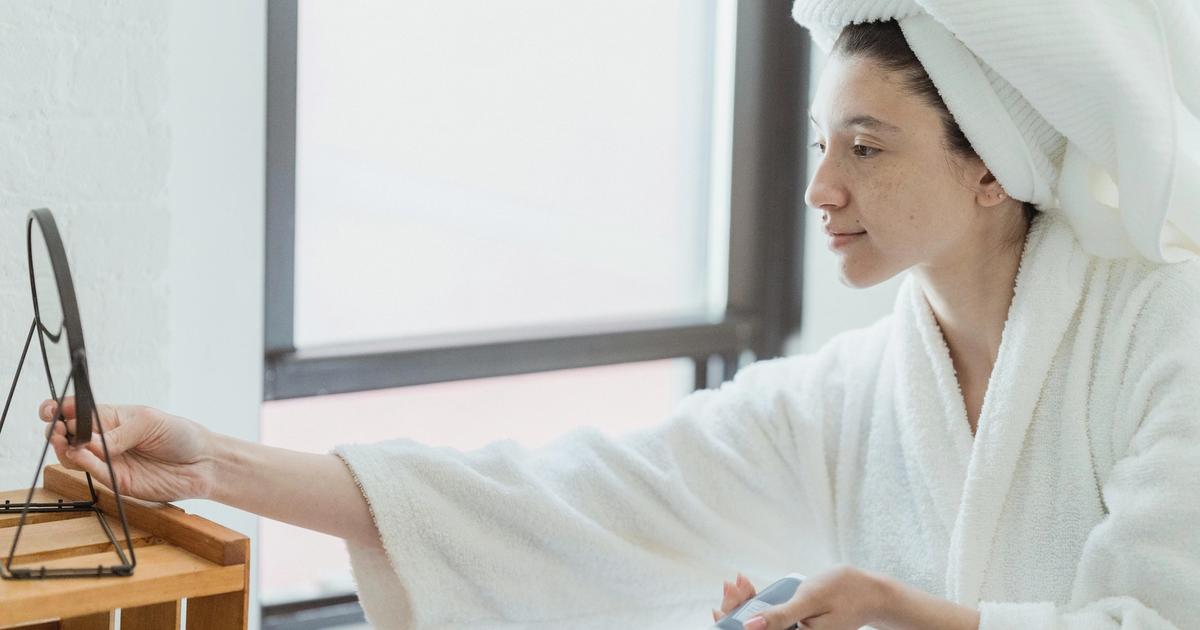
The first time someone sent me a link to a Pinterest article called "30 self-care ideas for tired mums," I was 18 months postpartum, running on four hours of broken sleep, and trying to get back into work. The list started with "take a long bath" and included "paint your nails" and "read a book with a glass of wine." I laughed. Then I cried. Then I deleted the article.
I had about six minutes alone most days and none of them were in the bath. I did not need gentle suggestions. I needed someone to look at my actual life and help me find the things that would genuinely restore me in the tiny pockets of time available.
Years later, here is what I have learned. Most of what we are sold as "mum self-care" is consumer marketing in soft focus. It sells products. It does not restore tired mothers. The things that actually work are boring. Unsexy. Unphotogenic. And they work. Psychiatrist Pooja Lakshmin's book Real Self-Care makes essentially the same case from the clinical side.
Why the pink-coded version of self-care is a trap
The word "self-care" has been hollowed out by marketing. It originally described the actual, clinical practices patients used to maintain their own physical and mental health. It has since been stretched to cover anything pink, scented, or expensive that can be sold to women.
The problem is not that baths and candles are bad. The problem is that when we are sold these things as the solution, we get the wrong diagnosis. We treat the symptom (being tired) with a treatment (a bath) that does not address the cause (an unsustainable load of invisible labour, unmet basic needs, and no structural support).
Candles
Face masks
Scented bath products
Essential oil diffusers
Pinterest-board weekend retreats
"Me time" that is an hour of scrolling
Subscription boxes
Seven hours of sleep, most nights
Water. More than you think
Ten minutes of sunlight, early
A walk alone, outside
A phone call with someone who knows you
Saying no to one thing per week
Therapy, if you need it
The column on the right is less exciting. It is also the one that actually works. Your depleted nervous system does not need a face mask. It needs sleep, sunlight, hydration, and human connection. Most of what is sold as self-care is downstream of those basics. If the basics are not in place, nothing else will hold.
Self-care is not a day at the spa. It is how you treat yourself every day. The question is not what fancy thing you can do for yourself this weekend. The question is what your nervous system actually needs, and whether you are giving it that on a Wednesday at 4pm. A plain-language summary of the shift in how clinical psychologists now talk about self-care with overwhelmed mothers
The 7 things that actually work
Drink the water you keep forgetting to drink
Most tired mums I know are chronically dehydrated. Mild dehydration is indistinguishable from low mood and tiredness. You do not feel thirsty. You feel exhausted. A bottle of water on your person at all times. Fill it twice a day. This is a real, measurable intervention, not a cute tip.
Get outside in early daylight
Ten minutes of morning light anchors your circadian rhythm, improves nighttime sleep, and lifts mood measurably. Not behind a window. Outside. Even on a cloudy day. If you cannot leave the house, open a door and stand in it. This is one of the most evidence-backed free interventions that exists.
Sleep, as much as your situation allows
Every piece of research on maternal mental health comes back to sleep. Not perfect sleep. Enough sleep. Going to bed 45 minutes earlier is more restorative than almost anything else on this list. If your life has a non-negotiable in it, make it this one. The bath can wait. The laundry can wait. You cannot.
Talk to a person who knows you
Not your kids. Not the school mums you chat with at pickup. Someone who knew you before you were a mum, or who knows the full you now. Ten minutes on the phone. A coffee. A voice note. Loneliness is a clinical input to depression. It must be actively managed, not assumed to happen on its own.
Move your body, gently
Not an Instagram workout. A walk. Ten minutes of stretching. Dancing badly in the kitchen. The goal is nervous system regulation, not weight loss or fitness. Moderate movement regulates mood, improves sleep, and reduces anxiety as effectively as many medications, according to a major BMJ meta-analysis.
Say no to something
Most tired mums are tired because they cannot say no. The school fundraiser. The family visit. The birthday party you do not have energy for. Say no to one thing per week, out loud, without a long justification. "I cannot this time." That is the whole sentence. Get used to it. This is structural self-care.
Get help you actually need
Therapy. A GP appointment. A postnatal mental health clinic. A support group. A couples therapist. A sleep consultant. Real help, not self-help. We have normalised endless self-improvement for mothers and under-normalised asking for qualified professional support. If you have been running on empty for more than a few weeks, this is what the list is pointing you toward. Not a better candle.
If you can only do one thing on this list: Protect sleep. Everything else gets easier when you are sleeping. Nothing else gets easier when you are not. Go to bed 30 minutes earlier tonight. Start there.
How to do a self-care audit this week
Before trying to add anything, look honestly at what you are already doing. Most tired mums discover that one or two basics are catastrophically missing, and adding elaborate new habits before fixing the basics is like buying a new rug while the house is on fire.
Rate yourself out of 10 on each of these. Do not judge. Just notice.
Sleep. Are you getting at least 6 uninterrupted hours most nights?
Water. Are you drinking at least 1.5 litres a day?
Daylight. Are you outside, even briefly, most days?
Connection. Have you talked to someone who knows you (not about logistics) in the last week?
Movement. Have you moved your body meaningfully in the last 3 days?
Nutrition. Have you eaten real meals, not just grazing on what the kids left behind?
Help. Do you have appropriate professional support for what you are currently carrying?
Whatever scored lowest is where self-care starts. Not the thing that sounds most appealing. The thing that is most missing. Fix the basics. Then, and only then, think about the bath.
Frequently asked questions
I don't have time for any of this. What do I do?
Most items on this list take 30 seconds to 10 minutes. If you genuinely have zero time, that is the diagnosis. Your life has no margin. That is not fixed by self-care. It is fixed by redistributing the load (see the mental load post), saying no more, and asking for help. Self-care is downstream of a sustainable life. If the life is not sustainable, fix that first.
What about the pretty stuff? Can I still have a bath?
Yes, please, enjoy the bath. The critique is not that baths are bad. It is that baths are being sold as the solution when they are, at best, a pleasant optional. Have the bath. Just do not mistake it for the work.
I think I might need therapy. Where do I start?
Talk to your GP. Many countries have free or subsidised pathways into therapy for mothers. If you can afford private therapy, look for someone trained in perinatal mental health or maternal mental health specifically. Starting is the hardest part. If you have been thinking "I might need this" for more than a few weeks, that is your answer.
My partner thinks self-care is selfish.
That is a conversation worth having, because the premise is wrong. Depleted parents are measurably worse parents. Sleeping, hydrating, moving, and being connected is not selfish. It is the minimum maintenance required to keep a human system running. Frame it that way. If the conversation does not go well, that itself is useful information about the partnership.
Does this apply to dads too?
Entirely. Everything in this post applies to any depleted parent. The reason it is often framed as a mum issue is that mums statistically carry more of the invisible load and are more likely to be told their exhaustion is their own fault. But any caregiver running on empty needs the same basic inputs.
The boring truth
The real work of caring for yourself as a mother is not the part you post on Instagram. It is the silent walk alone. The early bedtime. The water bottle. The "no, thank you" to the school volunteer form. The long, hard, ongoing work of being a person who is also a mother, and of keeping both of those alive.
That is the work. It is not pretty. It is the only kind that actually holds.
What scored lowest on your audit? Start there. Name it in the comments if you want accountability.
Read next
Community Discussion
Join 0 parents sharing their thoughts
Loading conversation...
Save this article for later?
We'll send a beautiful copy straight to your inbox so you never lose it.

Avery Hayes
Mom Of Two
Avery Hayes is a mother of two and a parenting writer passionate about helping families through honest, relatable content.
Related Articles

Every Platform Your Kid Wants to Join Has a Minimum Age. Here's Why Every Single One Is Ignored.
Instagram, TikTok, Snapchat, YouTube, Discord. Every major platform your kid is begging to join has a minimum age of 13. Most kids join at 9 or 10. The companies know. The parents know.

"Dad Rage" Is Real, It's Everywhere on Reddit, and It's Quietly Breaking Modern Marriages in Half.
Reddit's dad-focused subreddits are flooded with fathers admitting they are losing their tempers in ways that frighten them. Paternal burnout is real. It looks different from mum burnout. And ignoring it is breaking a growing number of modern marriages.

What Looks Like "She Has It All Together" Is Often Just Anxiety Nobody's Diagnosing. Here's 9 Signs.
She is the mum who remembers every birthday. Whose lunchboxes are themed. Whose house is clean. Who never missed a deadline. Who is also, quietly, drowning. High-functioning anxiety in mothers is one of the most under-diagnosed mental health patterns we have. Here is how to spot it.