We Made Our Mornings Screen-Free for 30 Days. Here's What Happened.
No phones, no TV, no tablets from the moment anyone woke up until school drop-off. For thirty mornings. The first week was genuinely hard. By week four, our family would not go back. Here is exactly how it unfolded, and the system that stuck.

Avery Hayes
Mom Of Two
April 21, 2026 · 11 min read
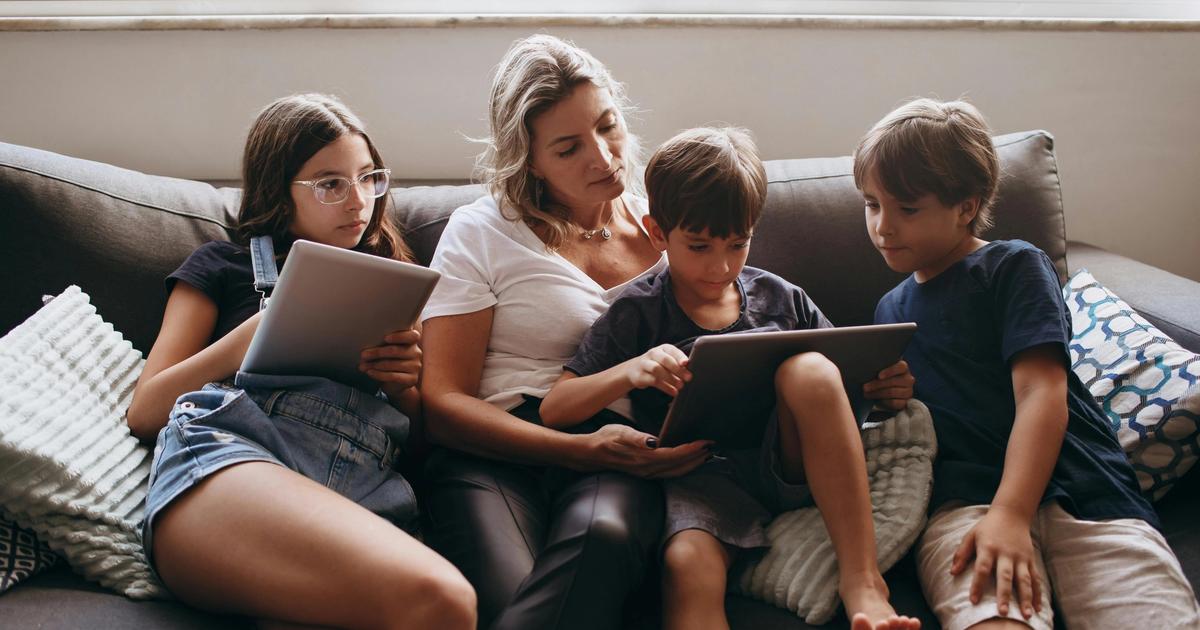
The day we decided to try this, I had already done something I did every morning. I had picked up my phone within two minutes of opening my eyes. I had scrolled the news for ten minutes in bed. I had walked into the kitchen while still scrolling. My kids had come in and one of them had asked me a question I had not quite heard, and I had given a distracted answer while my thumb kept moving.
An hour later, we were running late for school. Nobody was dressed. The older one was on the iPad watching something so he would stop complaining about breakfast. The younger one was crying. I was furious. And I looked around the kitchen and thought, this is not working.
So we tried something.

Why morning screens became the target
Most families trying to reduce screen time focus on evenings. Bedtime routines, no phones at dinner, TV off an hour before sleep. These are valuable. But what the research on attention and mood increasingly suggests is that the first screen of the day is disproportionately shaping the day that follows.
When we check our phones first thing, we load our nervous systems with input (news, notifications, other people's lives, urgency) before our own internal state has even booted up. The brain goes straight from sleep to reactive mode. It never gets to be quiet, awake, and present for its own day.
For kids, morning screens do something similar. A child who watches TV before school arrives at school with a nervous system that has already been engaged by bright, fast-moving, high-stimulation content. They are more likely to struggle with the slower pace of classroom learning. More likely to report difficulty focusing. More likely to crave another screen as the morning goes on.
I did not read all this research before we started. I was just tired and losing my kids in the mornings. But as we went, the pattern started explaining itself.
The 4 rules we set before day one
We sat down on a Sunday night and agreed these. Writing them down mattered. Verbal rules drift.
Rule 1 — No screens from wake-up to school drop-off. For everyone in the house. Including the adults. No phones. No TV. No iPads. The car ride counts.
Rule 2 — Phones sleep in the kitchen. They charge there overnight. They do not come into the bedroom. This removed the temptation at the source.
Rule 3 — Music is fine. Podcasts are fine. Audio was allowed because it does not hijack attention the way visual screens do. This made the mornings feel full, not deprived.
Rule 4 — Emergencies are emergencies. If something urgent came up, I could check my phone. But not scrolling. A single check, phone back down.
What actually happened each week
Days 1–7 · The withdrawal
Everyone was worse. Me most of all.
What kept me going: by day seven, my kids were arguing less. Nobody had watched anything, and we had left for school on time three days out of five. That was better than our baseline.
Days 8–14 · The adjustment
Something started to click.
We were still running late some days. But the tone of the mornings was different. Less friction. Less shouting. More actual conversation.
Days 15–21 · The shift
The mornings became the best part of the day.
I noticed my mood was different mid-morning. Calmer. Less reactive. Less burnt out by 10am.
Days 22–30 · The decision
We decided not to go back.
By day 30, we sat down together and rewrote the rules as permanent.
What we filled the mornings with
Screens get removed. What fills the gap? This mattered more than the ban itself. An empty hour without screens is just an hour of meltdowns waiting to happen.
Mum quiet time
Coffee, standing at the kitchen window, doing absolutely nothing. I was shocked by how useful this was. My brain needed a runway before the kids arrived. Ten silent minutes changed my capacity for the next hour.
A book or drawing pile at the kitchen table
I put out a small stack of books and a basket of crayons and paper the night before. Kids who came downstairs before they were fully dressed drifted to the table and engaged. It created a kind of morning quiet that was not possible when screens were an option.
Actually sitting and eating together
With no screens, we actually ate breakfast as a group most days. Some mornings I learned more about their inner worlds in those 20 minutes than I had learned in the previous week.
Music on a speaker
Audio does not hijack attention the way video does. Music in the background gave the room energy without replacing conversation. We rotated between kid playlists, world music, and classical. The kids started having preferences.
The changes we kept forever
The 30 days ended. These did not.
Phones charge in the kitchen, permanently. Both of ours. Not next to the bed. Not within reach. This alone has changed how we sleep and how we wake.
No screens for anyone until after school drop-off on weekdays. I check work messages after I get home from drop-off. Not before. The morning belongs to us.
Audio is fine. Podcasts, music, audiobooks. We have become a house full of sound again. Real sound, not algorithmic video.
One family breakfast per week, expanded. On Saturdays, we now do a slower, longer breakfast together. Eggs, fruit, talking. An hour. This was the weekday pattern getting generous on the weekend.
If you want to try this: Start with a week, not a month. The first 3 days are the hardest. Most people who quit, quit in those 3 days. If you make it to day 5, you will almost certainly make it to day 14. After day 14, the habits are doing the work for you.
Frequently asked questions
What about kids who watch morning TV because mum needs to get ready?
This was my biggest worry. It turned out the TV was not actually buying me time, because the transition OUT of the TV was the most conflict-heavy part of our morning. Removing it entirely removed the transition fight. The net time saved was significant.
I am a single parent. Is this realistic?
Harder, yes. But many single parents I know report that screen-free mornings helped more than they hurt, because the kids became less resistant to the transition to school. Start with just one screen removed (the TV, or just the phone) rather than all of them. Build from there.
What about teenagers?
Teenagers are the hardest bracket because their social lives live on their phones. Starting the rule with younger kids and extending it upwards is much more achievable than reversing the pattern in adolescence. If you have teenagers, the conversation needs to be collaborative. Propose it together, agree on boundaries together. Handing down a rule rarely lasts.
What about smart speakers, like Alexa?
We kept ours. Audio-only devices do not do what screens do. We use it for the news headlines if I want them, music, and timers. The line for us was anything with a screen or visual feed, not every piece of technology.
Did the mornings feel boring?
Sometimes, yes. And that turned out to be a feature, not a bug. A boring morning gives kids' brains space to generate their own ideas. By week three, my kids were drawing, reading, building, and inventing games that we had not seen them do before. The boredom becomes the creativity once they stop looking for you to fill it.
An invitation
You do not need to change every screen habit in your family. Try the mornings. Just the mornings. For one week. See what happens when the first hour of every day is not mediated through a glowing rectangle.
I promise you, something will shift. It might be bigger than you expect. It was for us.
Which morning this week could you try it? Name the day in the comments. Accountability works.
Read next
Community Discussion
Join 0 parents sharing their thoughts
Loading conversation...
Save this article for later?
We'll send a beautiful copy straight to your inbox so you never lose it.

Avery Hayes
Mom Of Two
Avery Hayes is a mother of two and a parenting writer passionate about helping families through honest, relatable content.
Related Articles

A $100 Phone for Kids With No Apps Has 100,000 Parents on a Waiting List. Here's What's Going On.
The Tin Can phone has no screen, no apps, no internet, no texting, and no games. It is, quite literally, just a phone. It costs $100. The waiting list is over 100,000. It has gone viral on TikTok, been profiled by Bloomberg and WIRED, and is now appearing in homes from California to Connecticut.

Australia Removed 4.7 Million Teen Accounts in 30 Days. Here's What Every Parent Needs to Know Now.
On 10 December 2025, Australia became the first country in the world to ban social media for everyone under 16. In the first month, 4.7 million teen accounts were removed. France, the UK, Denmark and Malaysia are watching.

Everyone's Suddenly Carrying an "Analogue Bag" Instead of Scrolling. Here's What's Actually Inside.
A physical tote bag full of screen-free activities you reach for instead of your phone. The "analogue bag" trend is Pinterest's biggest 2026 movement, part of the bigger backlash to doomscrolling. Here is exactly what people are putting in theirs, and how to build yours this weekend.