Kids Are Spending More Time Indoors Than Ever. Here's the Outdoor Fix That Actually Sticks.
The average child now spends less time outdoors than a maximum-security prisoner on yard time. The research on nature exposure in childhood is dramatic. Here are the 5 habits families are using to reverse the pattern, without needing to move to the countryside.

Avery Hayes
Mom Of Two
April 26, 2026 · 10 min read
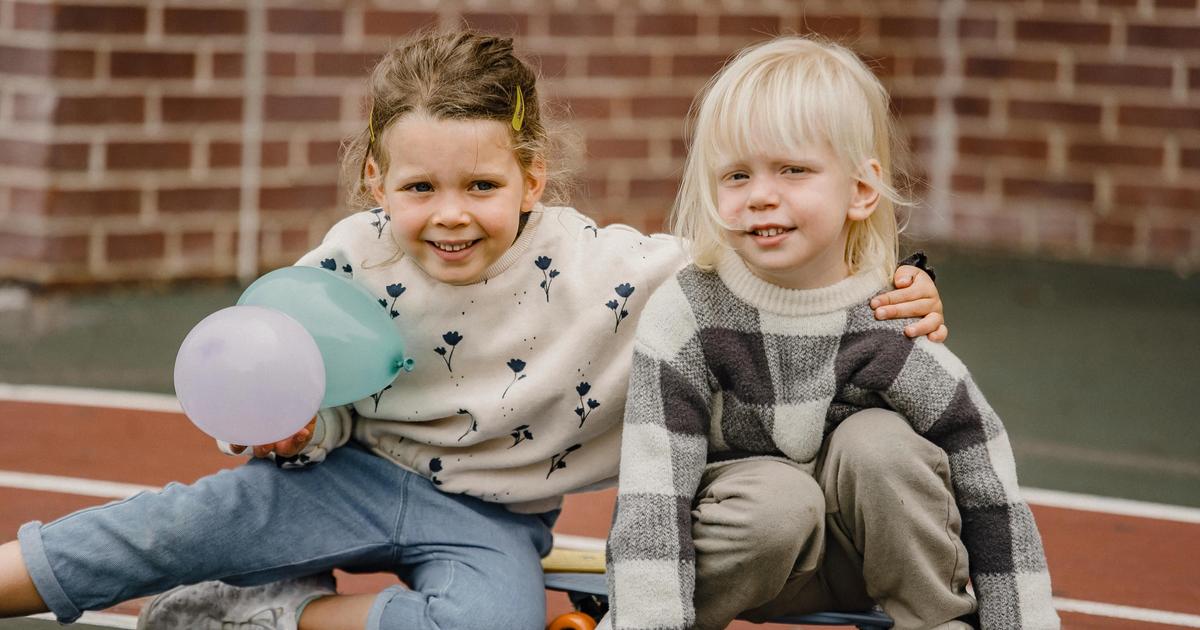
A 2016 survey commissioned by Unilever's Persil brand famously found that a third of children aged 5 to 12 spend less than 30 minutes a day playing outside. Meanwhile, UK prisoner welfare standards require at least one hour of outdoor time per day. The comparison is jarring enough that it has been repeated in articles on both sides of the Atlantic. It is not quite a fair comparison (the research methodologies differ), but the underlying pattern is accurate. Modern children are spending vastly less time outdoors than any previous generation.
The research on what this costs is clear. Worse sleep, worse mood, worse attention, worse physical health, and higher rates of myopia, anxiety, and depression in adolescence. What reverses it is embarrassingly simple. Regular, boring, unstructured outdoor time. You do not need a countryside cottage. You need a habit.
The decline of outdoor play in childhood is one of the most measurable and consequential shifts in modern Western development. It correlates with essentially every trend in child mental and physical health over the last two decades. Paraphrased synthesis of outdoor play research including Jonathan Haidt's discussion in The Anxious Generation and preceding work by Richard Louv on "nature-deficit disorder"
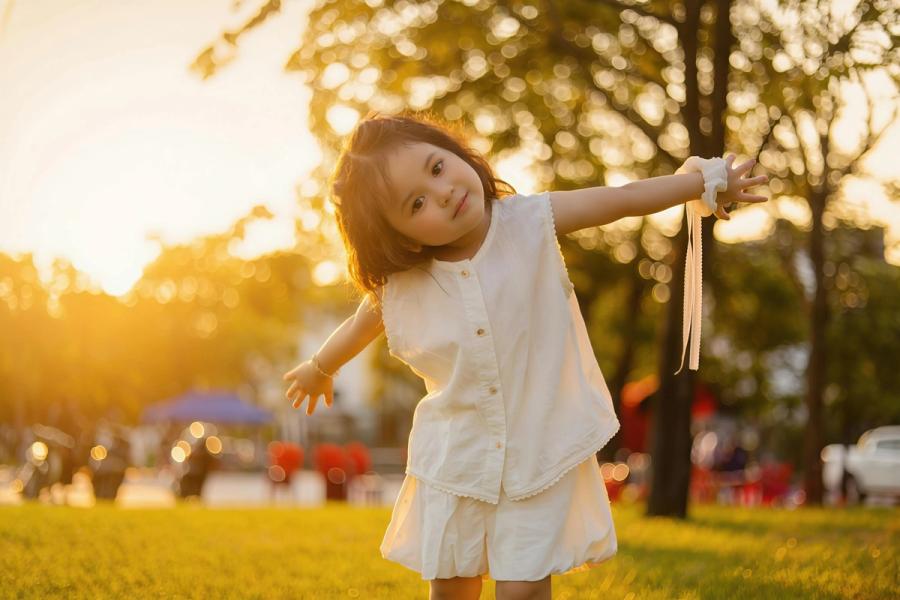
The 5 outdoor habits that stick
Before homework, before screens, the kids go outside for 30 to 45 minutes. Garden, park, street, anywhere outside. Rain counts (you just need waterproofs). This single habit, held consistently, is the single biggest change families report.
Before screens come on on Saturday or Sunday, the whole family does a 20 to 40 minute walk. Local. Doesn't have to be scenic. The point is the ritual, not the destination. Kids who grow up with this as a fixture stop noticing it as "exercise." It's just what the family does.
When kids say "we're bored" indoors, the default response becomes "go outside for 20 minutes, then we'll talk about it." 90% of the time they don't come back asking for anything. Boredom plus outdoors equals invented play, which is one of the most developmentally valuable activities there is.
A hike, a long beach walk, a forest day. One. That is it. Not every weekend. Once a month. It anchors the family to a bigger nature experience without becoming an exhausting obligation. Sustainable is better than ambitious.
The rule is: there is no bad weather, only bad clothing. Invest once in waterproofs and wellies that actually fit. Then the rain is not a reason to stay in. It is a reason to go out and find puddles. This single shift extends your usable outdoor year by about 4 months.
The honest version: most families that get outdoor time to stick do it because one parent decides "we just always go, even when it's annoying." The habit does not form on motivation. It forms on repetition. Go today even if it's just 10 minutes. Go tomorrow. By day 14 it's just what your family does.
Frequently asked questions
What if we live in a city with no garden?
A local park, a patch of green anywhere, a pavement walk. It does not have to be woodland. The research shows significant benefits even from short urban green-space exposure. Ten minutes in a city park counts.
My kid hates going outside.
Kids who do not like going outside are usually kids whose outdoor experience has been too structured, too long, or involved too much walking. Start with 10 minutes of free play in the garden or the nearest patch of grass. No walk. No itinerary. Just "go play." Build from there.
What about cold weather?
Scandinavian research (and cultural practice) is very clear that children benefit from outdoor time in cold weather, with appropriate clothing. The Norwegian saying "there is no bad weather, only bad clothing" is roughly correct. Invest in the clothing, not the excuses.
The slowest, simplest fix
The outdoor time your children are missing will not be fixed by an app, a class, or a purchase. It will be fixed by one parent, on a Tuesday afternoon, saying "shoes on, we're going outside."
Your kids will grumble for two minutes. Then they will play. Then you will both sleep better. That's the whole thing.
What's the one outdoor thing your family does every week? Tell me in the comments.
Read next
Community Discussion
Join 0 parents sharing their thoughts
Loading conversation...
Save this article for later?
We'll send a beautiful copy straight to your inbox so you never lose it.

Avery Hayes
Mom Of Two
Avery Hayes is a mother of two and a parenting writer passionate about helping families through honest, relatable content.
Related Articles
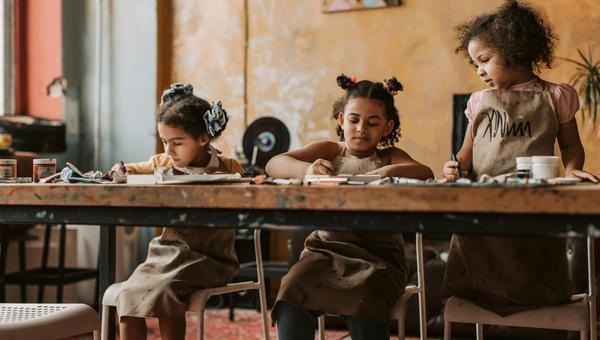
25 Arts & Crafts for Kids That Won't Ruin Your Kitchen (By Age)
No glitter. No paint everywhere. No hour of setup for five minutes of engagement. Twenty-five genuinely low-mess, high-engagement art and craft ideas for kids, organised by age, using things you probably already have at home.
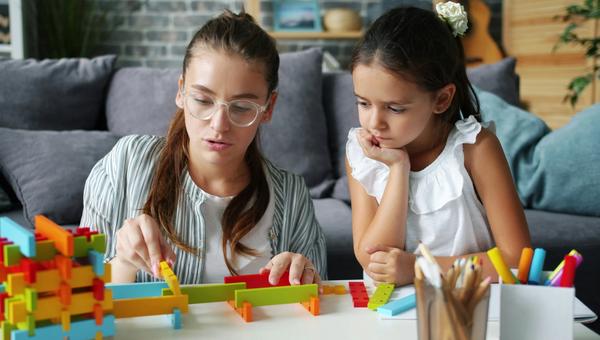
The Most Important Skill You Can Build in Your Child This Year Happens When You Leave the Room.
Independent play is one of the strongest research-backed predictors of executive function, emotional regulation, creativity, and long-term wellbeing. It is also, for most modern children, a skill that has to be actively built rather than assumed. Here is how, age by age.
Scientists Say “I’m Bored” Helps Kids Grow, Inspiring 30 Rainy Day Activities for Parents
A study on mind-wandering in children, published in PMC / NIH, found that boredom coupled with attentiveness and persistence led to positive creative learning outcomes.